


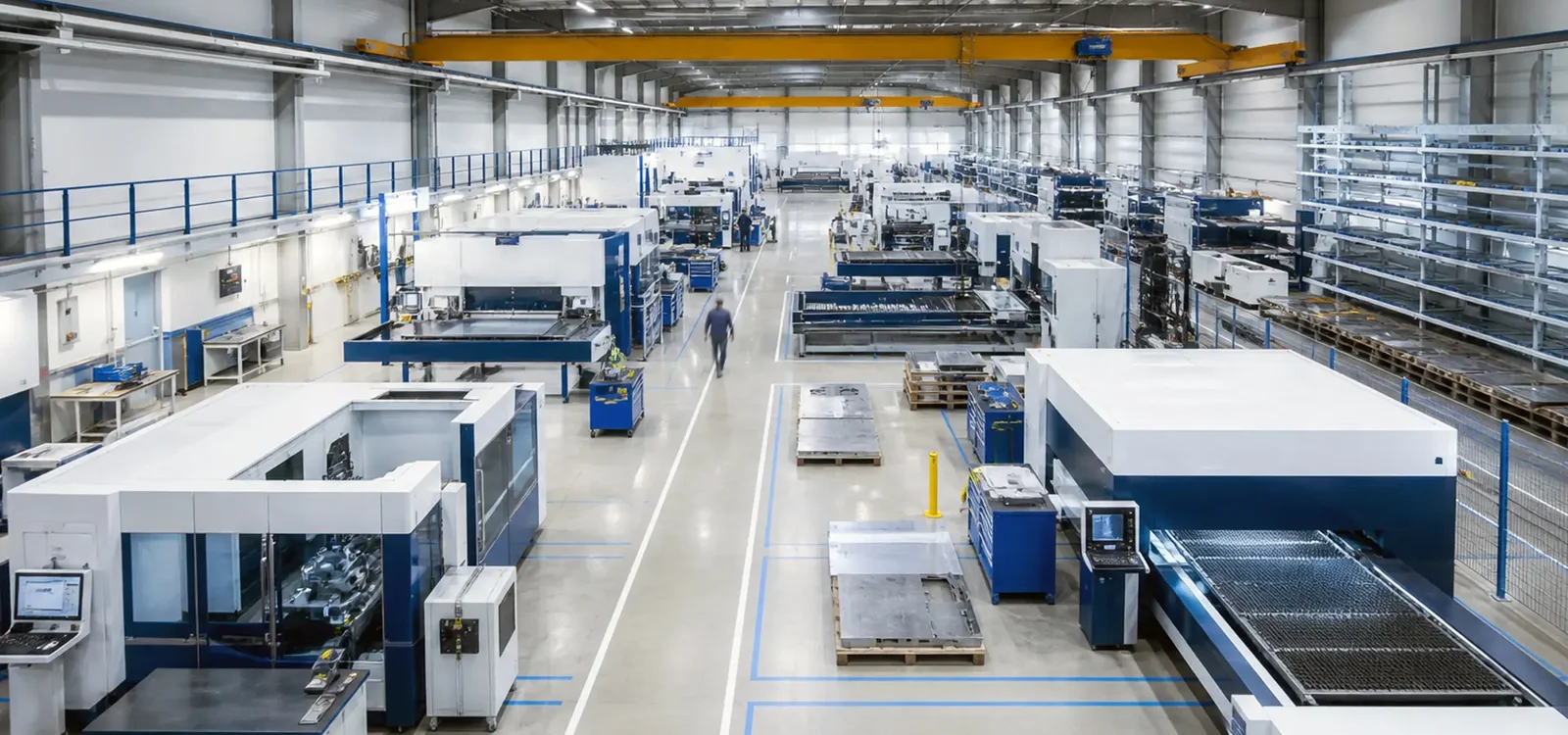
Metalworking industry
Robust. Safe. Process-oriented.
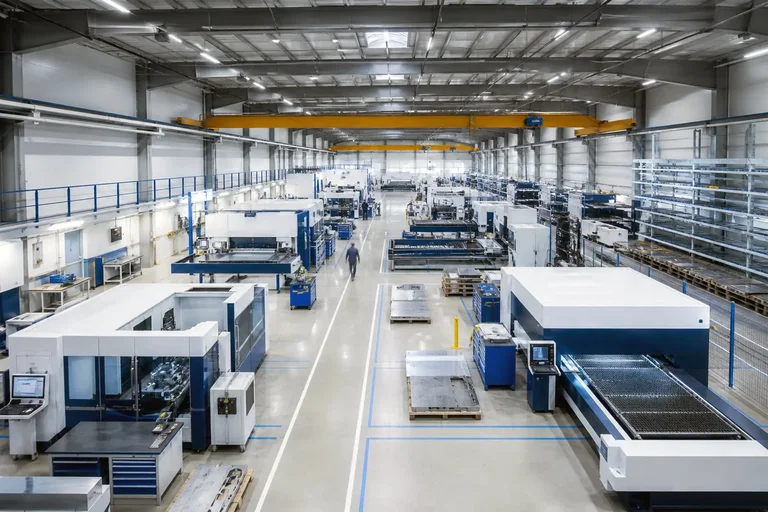
Metalworking generates emissions directly during the process: during machining, grinding, or cleaning. RUWAC extraction solutions capture dust, chips, and media right where they are generated. This ensures clean work areas, reduced equipment wear, and stable production processes under real-world industrial conditions.
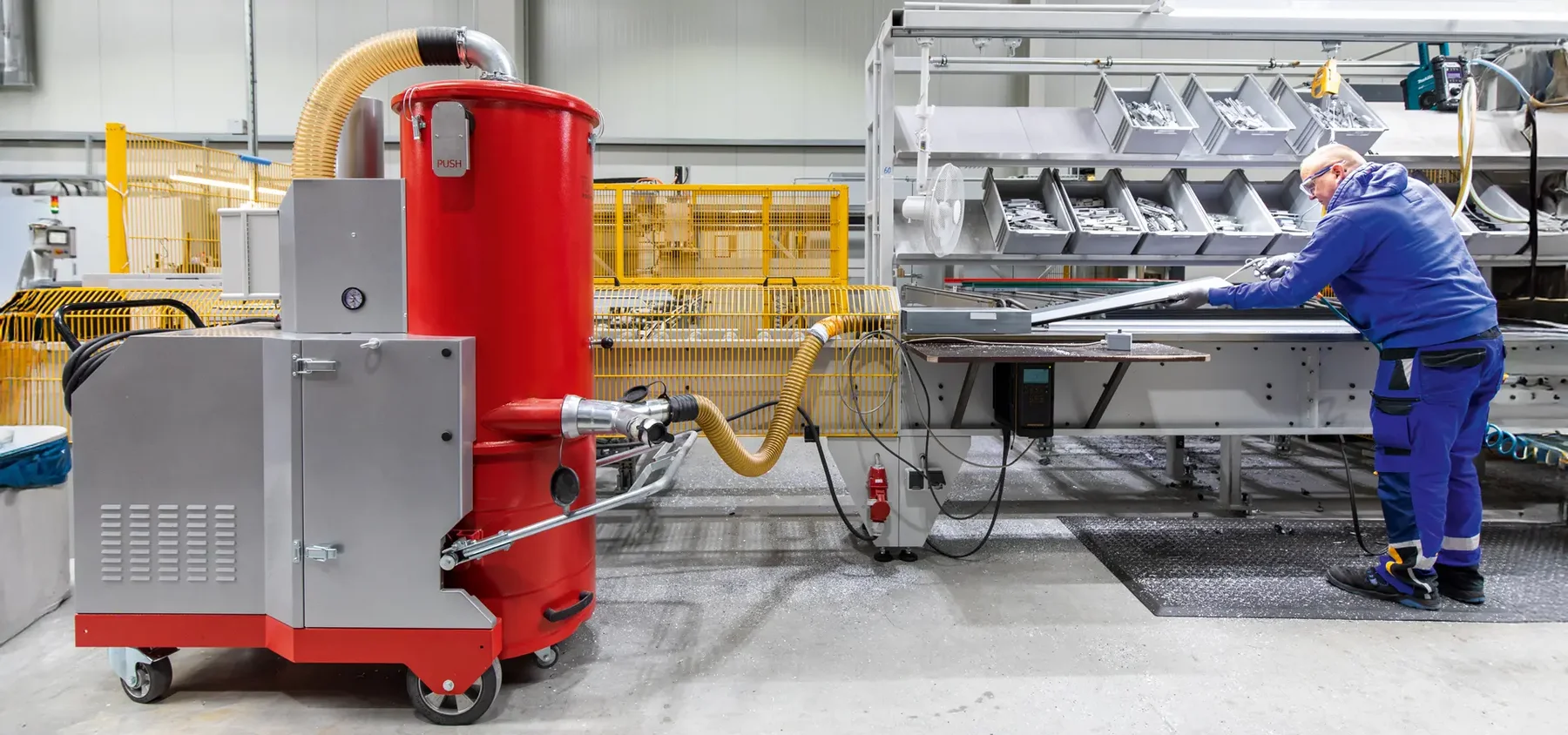
Metalworking follows clear processes—yet day-to-day production is characterized by variation. Different materials, changing machining steps, manual interventions, and high loads define operations. Dust, chips, and particles are not generated sporadically but continuously: during grinding, milling, cutting, or finishing.
These emissions are more than just a cleanliness issue. They are abrasive, conductive, or explosive and directly affect machines, employees, and process stability. What seems manageable on paper can quickly lead to wear, downtime, or safety risks during actual operation.
Therefore, what matters is not just the design of the technology, but its ability to consistently handle real-world production conditions. Exhaust and cleaning solutions must function where processes are under stress, tasks change, and production remains in motion. Only then can metalworking processes be operated safely, reliably, and economically.
Processes under load. Mastered with confidence.
Metalworking involves high energy: high temperatures, sparks, abrasive chips, reactive dust, and large material flows. Risks arise not from exceptional circumstances, but during normal operations—such as machining, casting, grinding, or cleaning. Therefore, it is not only crucial to protect individual workstations, but also to maintain stable control over the entire process.
RUWAC extraction solutions are designed to safely manage these high-energy processes. Dust, chips, and media are captured in a controlled manner, potential ignition sources are neutralized, and the strain on both people and equipment is reduced. In this way, safety is not an afterthought but an integral part of a stable production process—even under continuous load and changing conditions.
Safety during the process
Designed for real-world production conditions involving heat, sparks, and reactive substances.
Stability, not stagnation
Safety concepts that ensure plant availability and process continuity.
Proven in industrial use under continuous load
Designed for heavy-duty use, high volumes, and demanding environments.
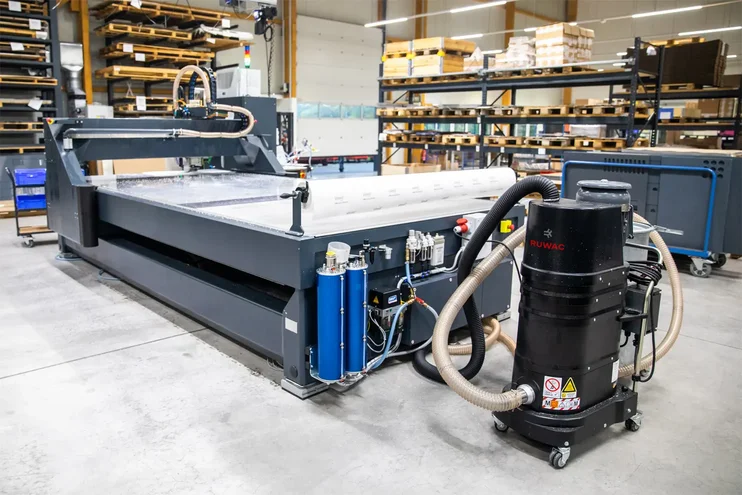
Disconnect, reset, and continue working.
In metalworking, dust, chips, and process media rarely occur in separate forms. They mix with cooling lubricants, accumulate in machines, or must be removed during ongoing processes. Simple extraction is not sufficient here—what is needed is separation close to the process and controlled handling of the materials.
RUWAC systems separate solid and liquid components, pre-separate chips, extinguish sparks, and enable the recirculation of media back into the production cycle. Whether used as mobile units on individual machines or integrated into central systems: the technology adapts to the process—not the other way around. This keeps work areas clean, materials usable, and processes efficient.
Clean separation during the process
Collect and separate chips, dust, and media in a controlled manner.
Return instead of loss
Recycle cooling lubricants and other materials.
Can be easily integrated
Mobile solutions, stationary systems, or hybrid concepts—tailored to the process.
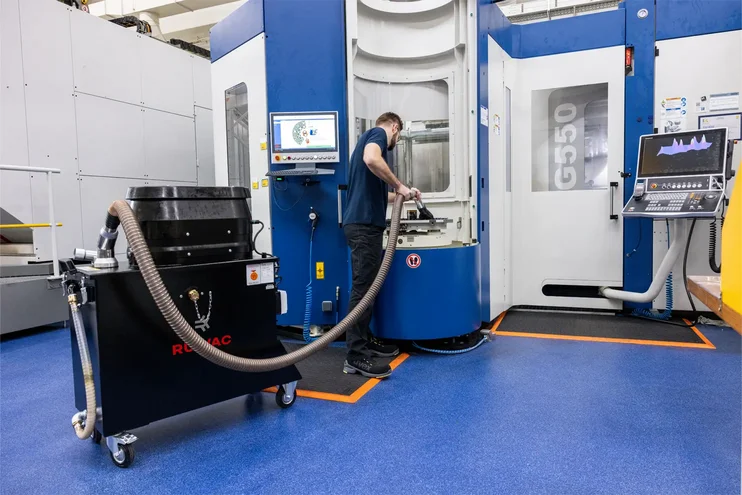
Strong in the details.
In metalworking, sparks are often generated unintentionally—during grinding, cutting, or combined machining of modern materials. If they come into contact with flammable or explosive dusts, they create risks that can no longer be controlled.
That is why RUWAC relies on mechanical spark traps that neutralize ignition sources right in the airstream. Sparks are slowed down, shattered, and energetically neutralized before they reach filter or collection areas. This keeps the process dry, controllable, and safe—even where wet separation is not an option or is deliberately avoided.
Safety here is achieved not through prohibitions or oversizing, but through clear design.
Mechanical instead of chemical
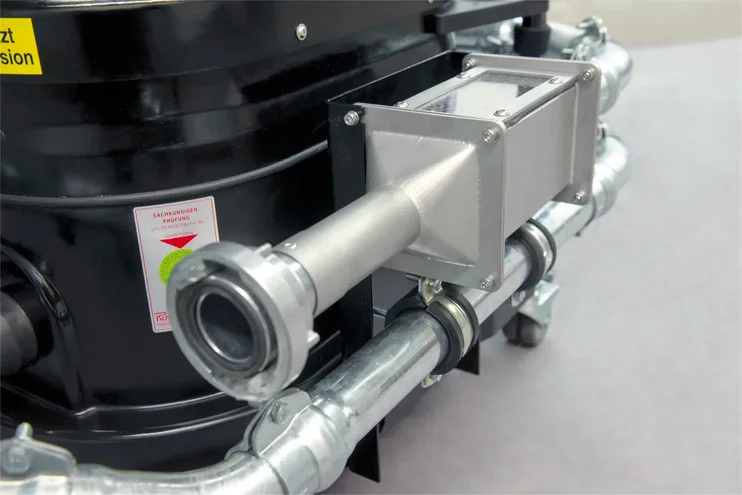
Sparks are physically extinguished—without liquid, without changing media.
Before the filter
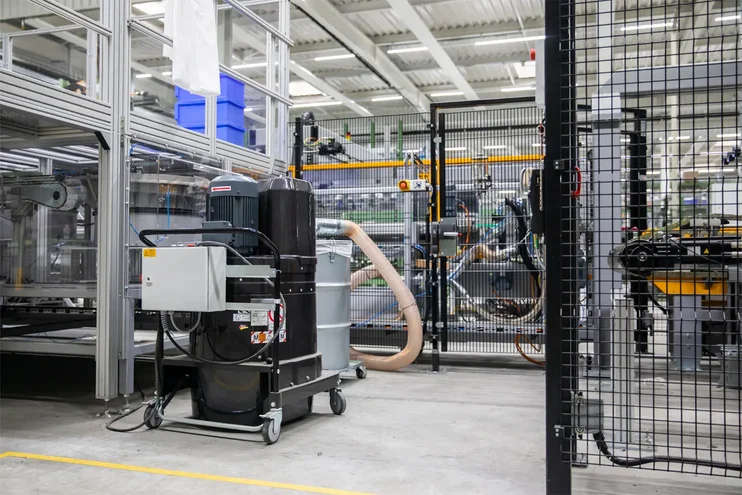
Ignition sources are intercepted before they reach critical areas of the system.
Practical and applicable
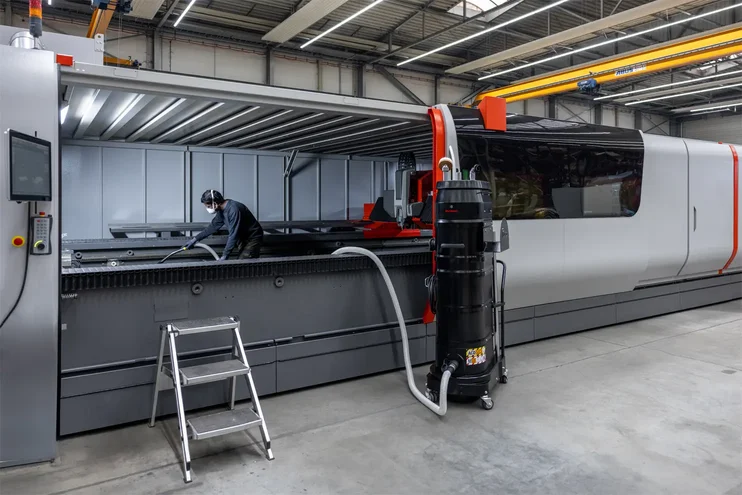
Ideal for repairs, rework, and hybrid material environments.
When concepts become part of everyday life.
Metal processing places high demands on safety, process stability, and material control. The following examples illustrate how various companies address their cleaning and extraction needs in a way that ensures quality, equipment availability, and workplace safety during ongoing operations.
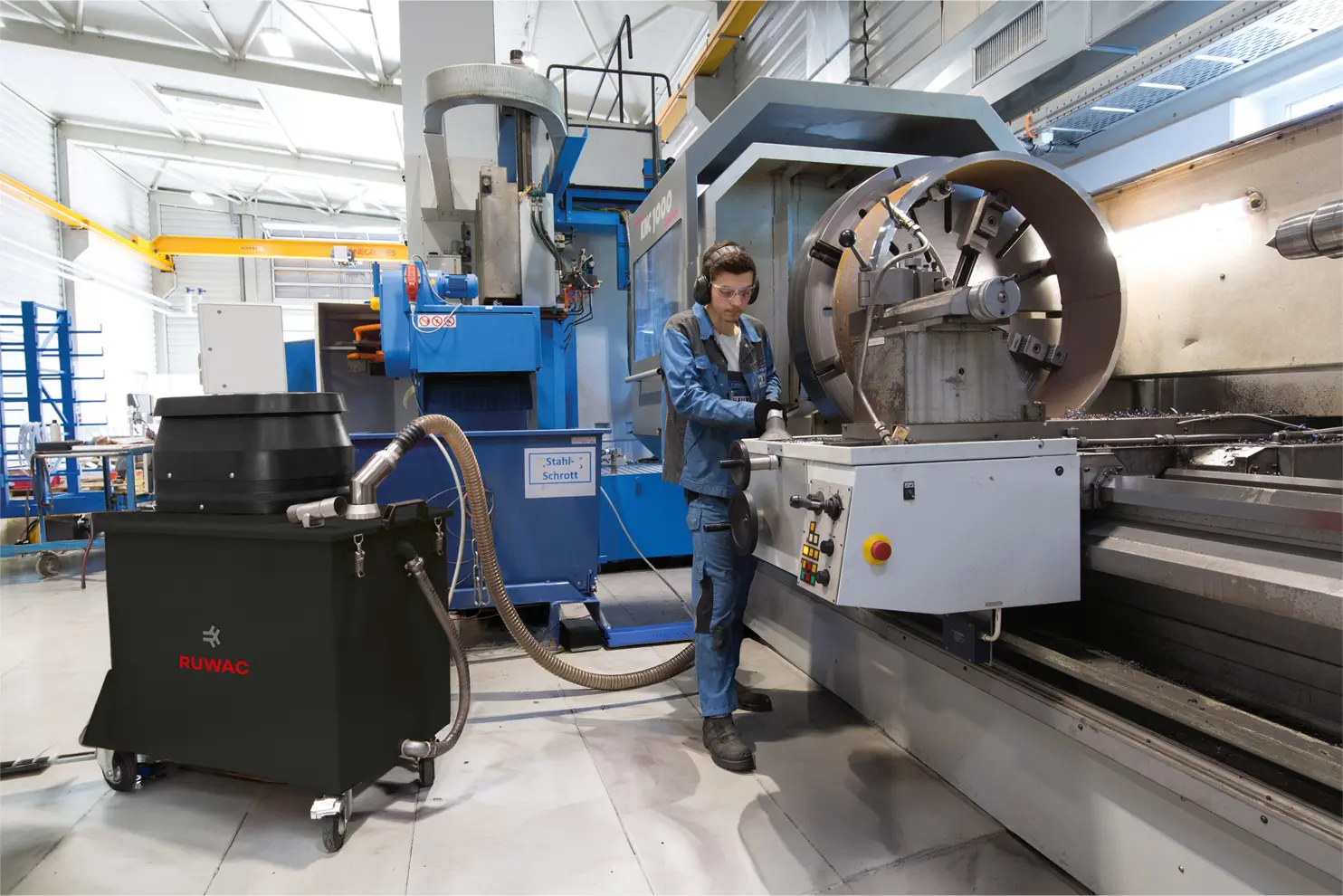
Separate recyclables, keep processes clean.
SPAX’s screw manufacturing process generates cooling lubricants that contain fine metal particles. These emulsions must be regularly removed from the machines without disrupting the high-speed production process or losing valuable media.
The solution implemented is precisely tailored to the existing collection and disposal containers. Coolant and metal particles are collected separately and specifically recycled. This keeps the material cycle closed, minimizes cleaning times, and ensures stable production even at very high volumes.
Explosion protection that keeps pace with production.
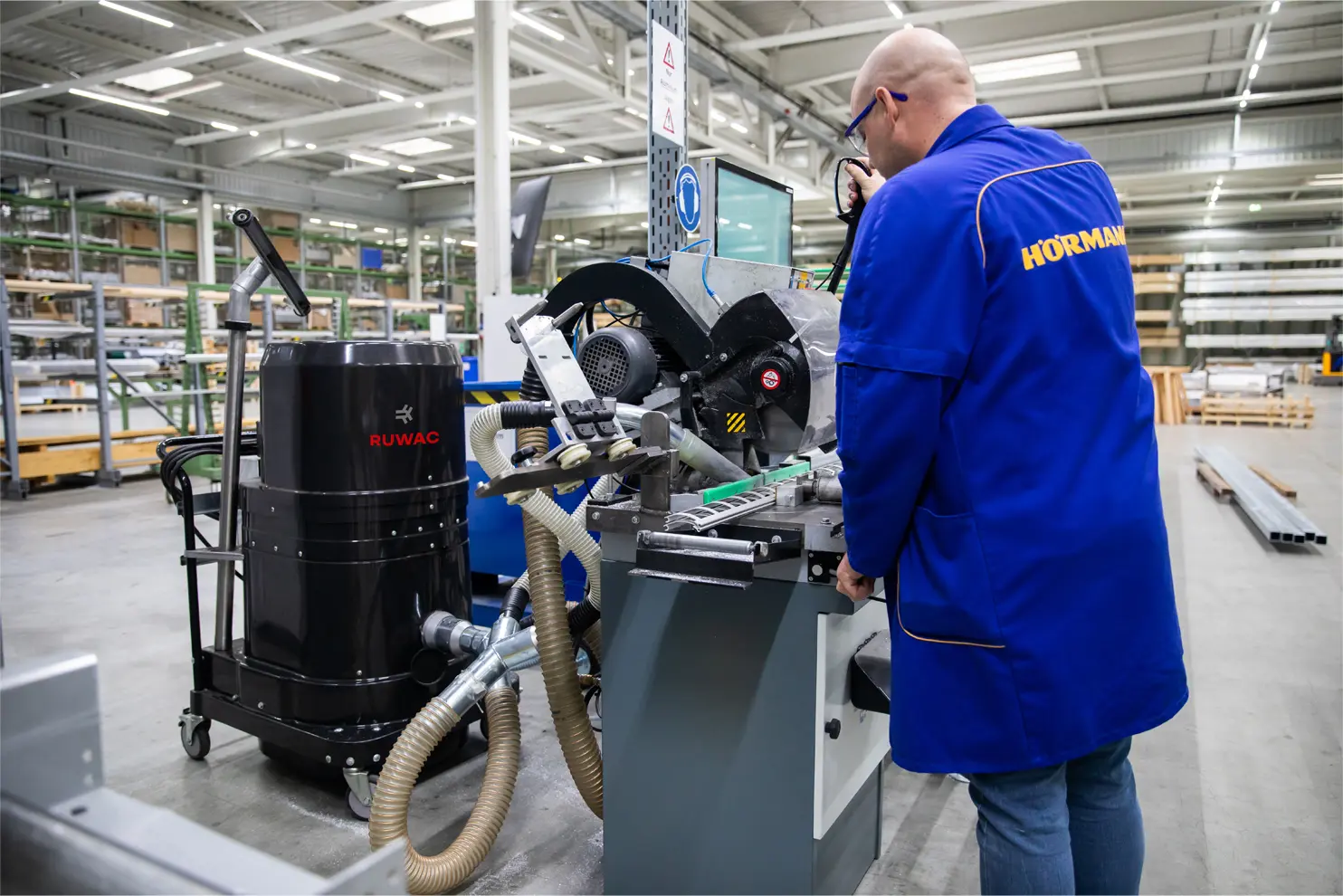
The machining of aluminum profiles generates fine, flammable dust. At the Hörmann plant, these emissions vary depending on the machine, the machining step, and the load—and the extraction system must respond accordingly.
Mobile and (semi-)stationary solutions in explosion-proof design variants are used, supplemented by pre-filtration or a wet separator in particularly critical areas. This allows dust levels to be flexibly controlled without restricting production processes.
Cleanliness where precision is born.
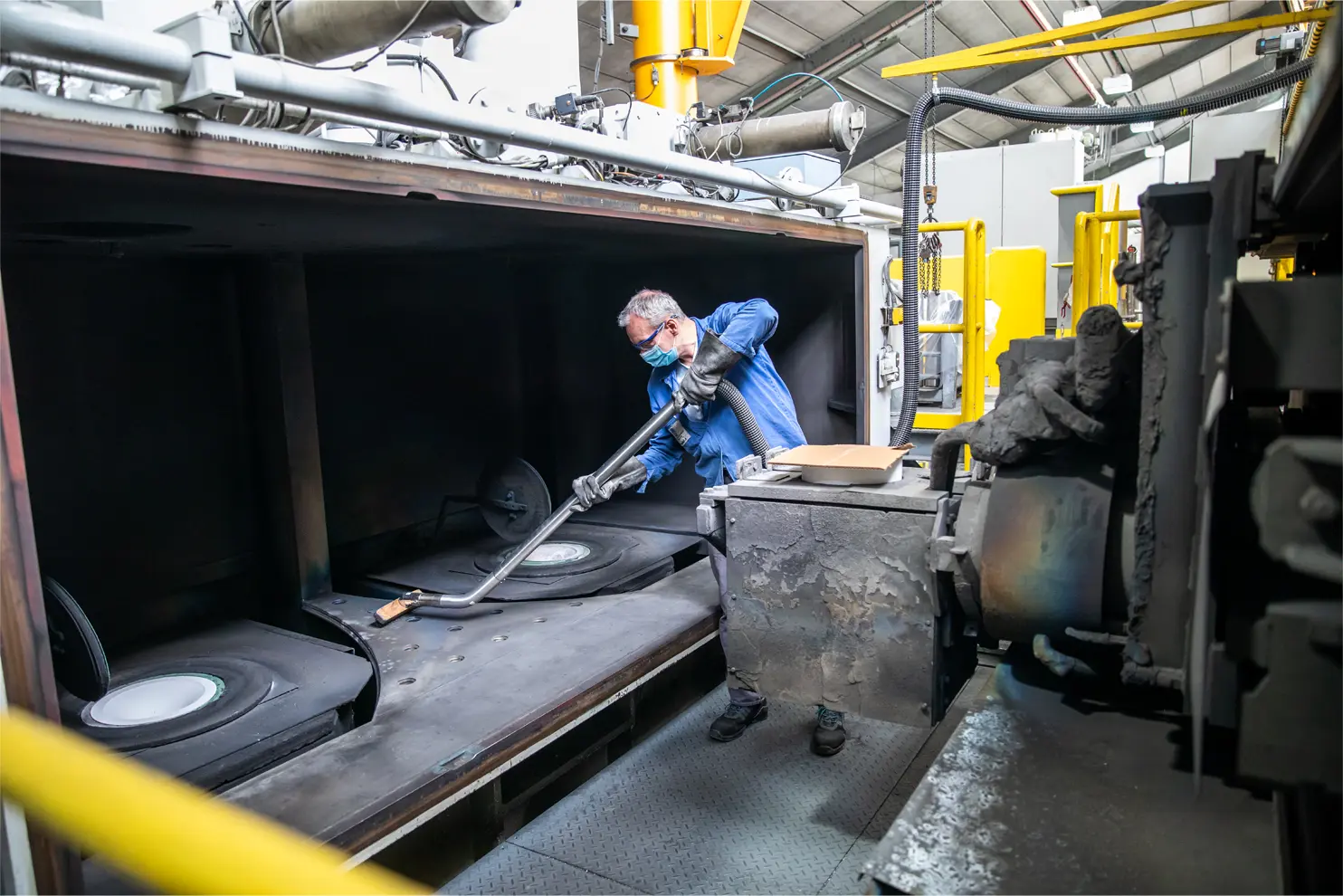
In the investment casting production at Doncaster’s Precision Castings, even the smallest residues must not be allowed to re-enter the process. Casting molds, crucibles, and furnace environments must be reliably cleaned after every cycle—under high temperatures and in the presence of potentially flammable dusts.
A stationary extraction system serves multiple lines simultaneously and overcomes significant height differences. Multi-stage filters reliably trap even hazardous particles. Cleaning is performed consistently and close to the process, without interfering with the sensitive steps of the casting process.
The right RUWAC systems for your processes.
Designed for metalworking processes—effective wherever chips, dust, and media must be safely controlled.
Separate chips and coolant
Machining produces metal chips that are coated with coolant. These fluids must be reliably separated in order to recover valuable materials and keep machines clean.
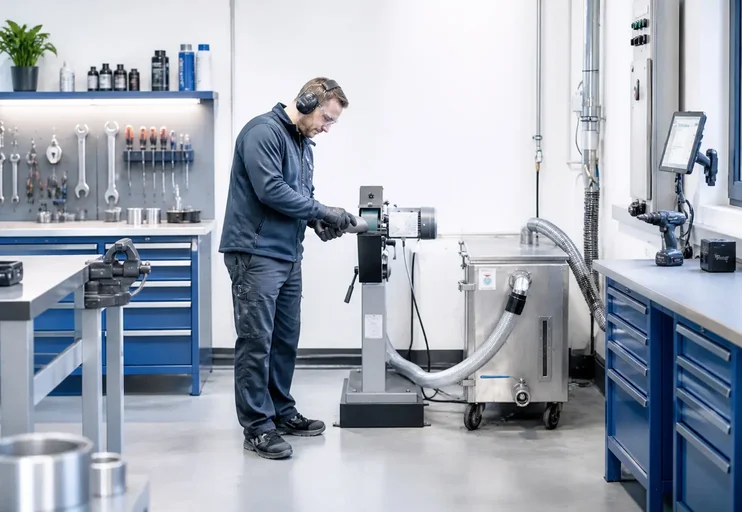
Managing reactive and explosive dusts
Machining aluminum, magnesium, or composite materials generates fine, combustible dust. This dust must be captured close to the source and safely neutralized—whether using mobile or stationary systems.
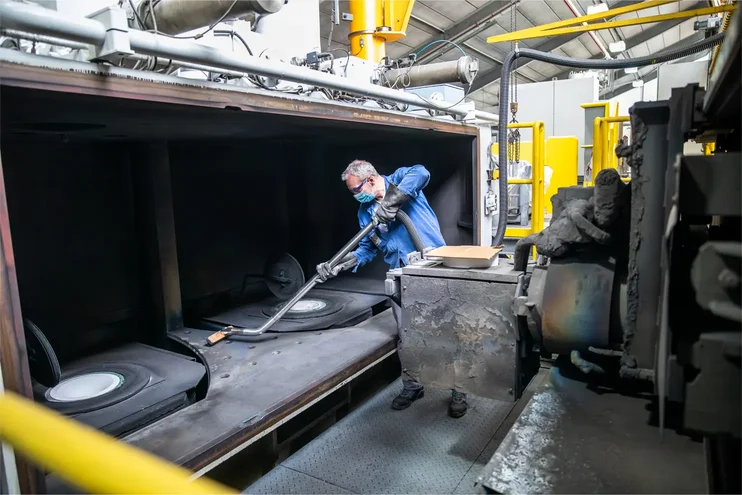
Removing residues from high-temperature processes
Casting, melting, and heat treatment processes leave behind residues that must be removed regularly without disrupting sensitive operations. Consistent suction power and a robust design are essential here.
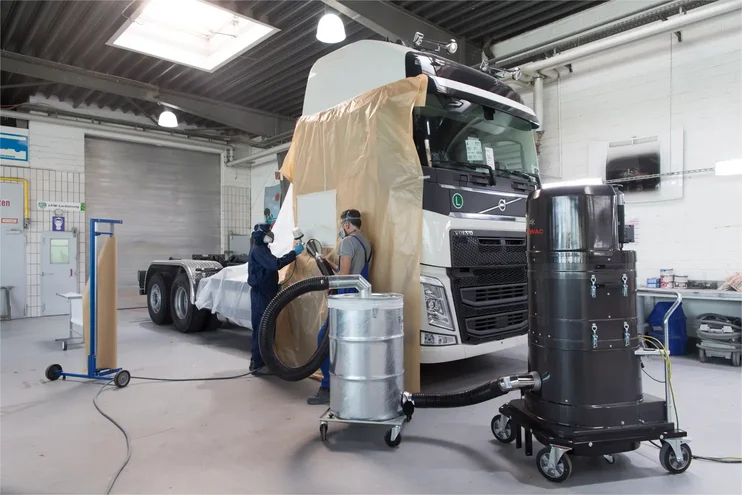
Workshop and Maintenance Cleaning
In manufacturing and maintenance, a variety of materials must be safely collected—from dust to chips, from dry to wet. Flexibility and ease of use are key priorities.
Security. From the ground up.
Metal processing is characterized by high energy levels, temperatures, and mechanical stresses. Dust, chips, sparks, and process media are not exceptions but rather an integral part of the regular production process. Safety here does not mean isolation, but rather the controlled management of these substances during the ongoing process. RUWAC solutions are designed to meet these requirements in a technically sound and practical manner. Depending on the application, suitable filter technologies, pre-separators, spark arrestors, and design variants for dust explosion-hazardous areas are employed. Risks are managed early on without slowing down processes or creating additional complexity. Safety is not an add-on module here, but an integral part of every solution—from standard-compliant design and stable continuous operation to long-term investment security.
Frequently Asked Questions (FAQ)
Because dust, chips, and media often accumulate together. Without pre-separator, separation, or spark suppression, this can lead to buildup, ignition risks, or unnecessary downtime.
Depending on the application, mechanical spark traps, spark suppression sections, or upstream separators are used. This neutralizes potential ignition sources before they reach sensitive areas.
Ja. RUWAC Systeme trennen feste und flüssige Bestandteile prozessnah. Kühlschmierstoffe können zurückgeführt, Späne sicher entnommen und entsorgt werden.
Yes. The systems are designed for heavy loads, large volumes, and continuous industrial use—even under varying process conditions.
Standards and dust classes are part of the design process, not an end in themselves. What matters most is that the solution is suitable for the actual application and reliably ensures operational safety.
Let’s talk about your processes.
Metalworking production environments place high demands on safety and process stability. The most appropriate extraction and cleaning solution depends on the material, the machining step, and the actual operating conditions. We help you monitor emissions, minimize risks, and ensure long-term process stability—with a focus on practical, application-specific solutions.