


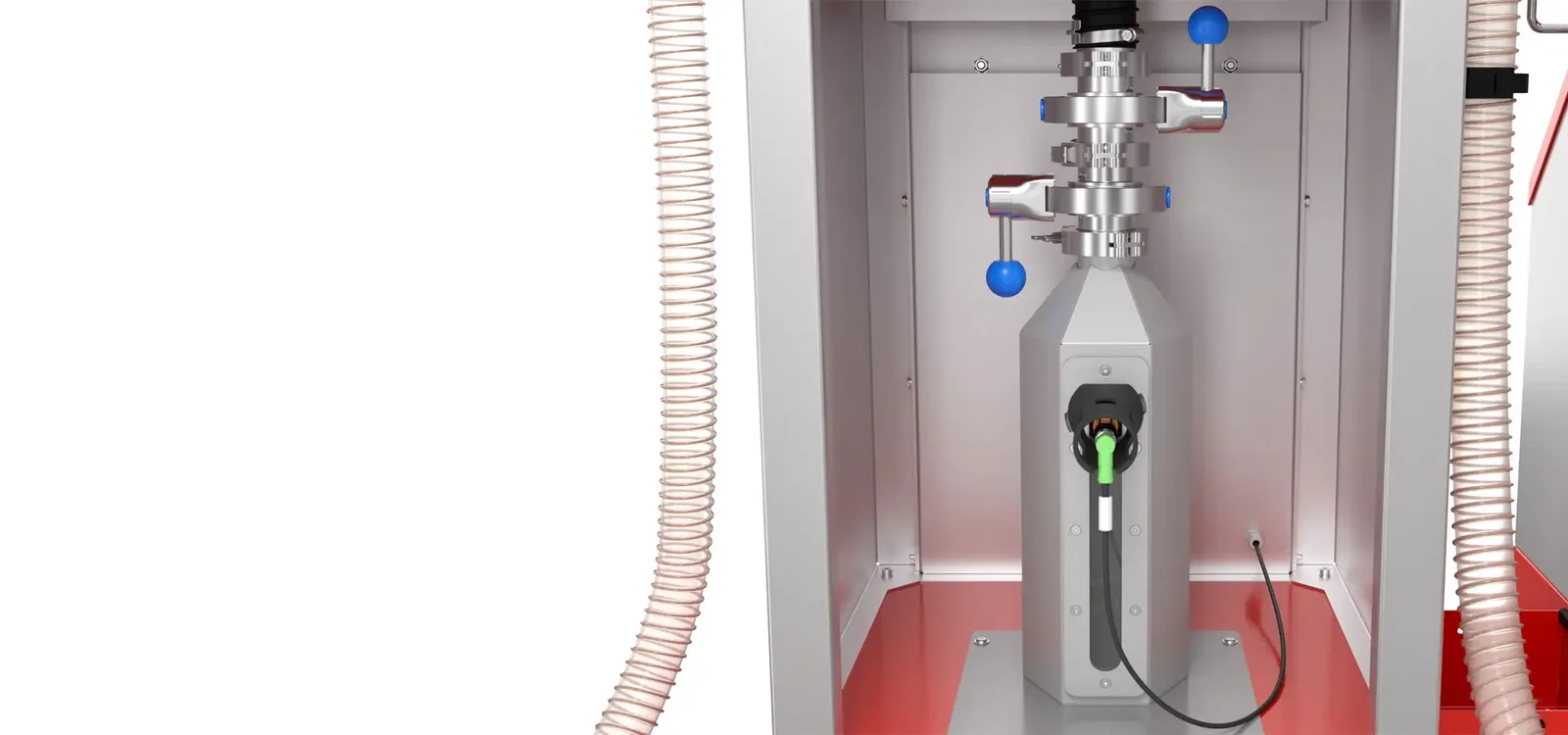
Thinking in terms of processes
Powder recovery
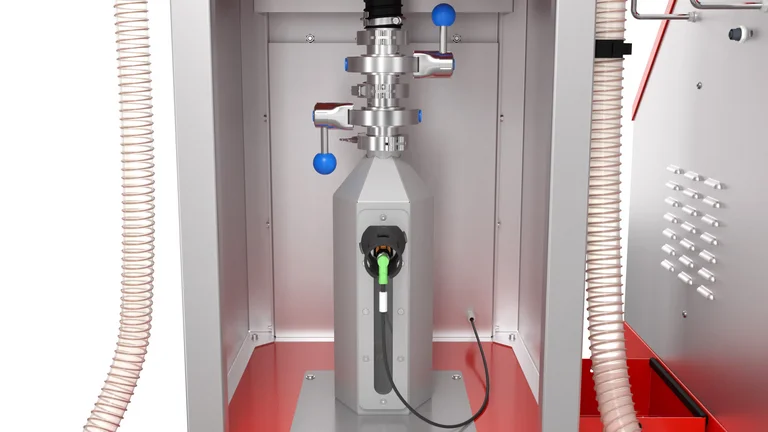
Value is created only when material remains in the process.
Classification
Powder loss throughout the process
- Origins
- Discharge
- Mixing
- Disposal vs. Recycling
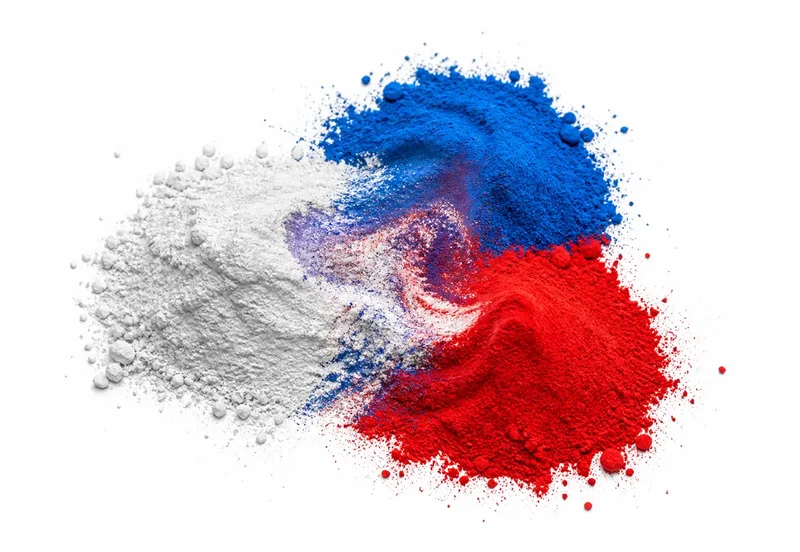
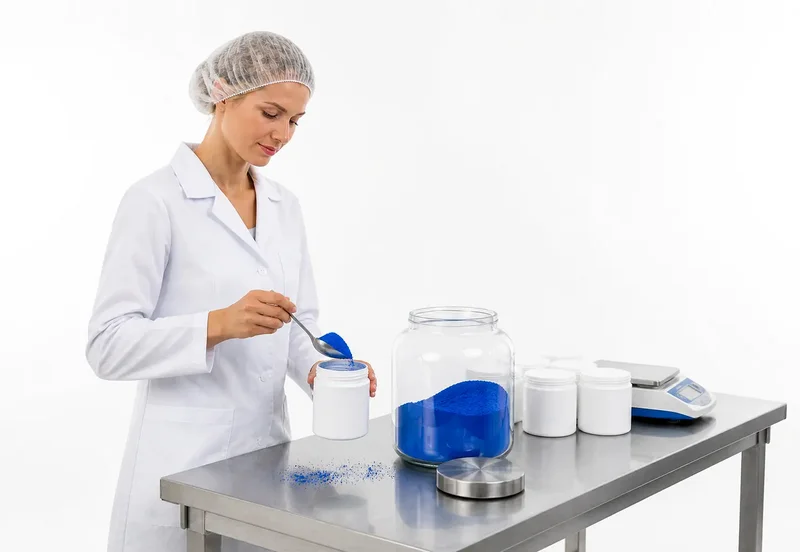
Where powder goes
Powder leaves the process more often than expected.
- during transfer and dispensing
- during manual operations
- during cleaning and maintenance
- due to leaks or open connections
- due to mixing with foreign substances
What leaves the process often loses its quality. And with it, its value.
Common misconceptions
Powder recovery rarely fails due to a lack of technology. It fails because of incorrect assumptions made in day-to-day practice.
Powder has different requirements than dust or chips.
Effective solutions must:
- Capture powder close to the process before it disperses
- convey it gently, without agglomeration or destruction
- separate rather than mix
- return it in a pure state without loss of quality
- function reliably, even in everyday use
Powder handling is precision work. Not rough cleaning.
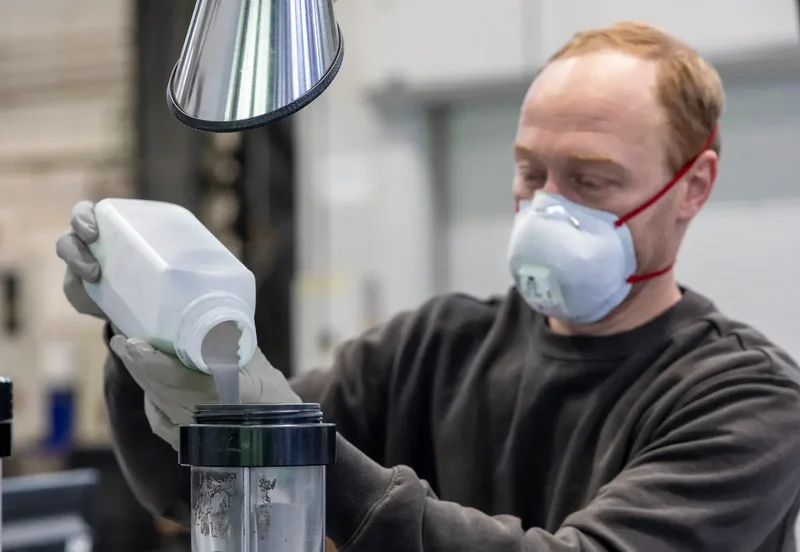
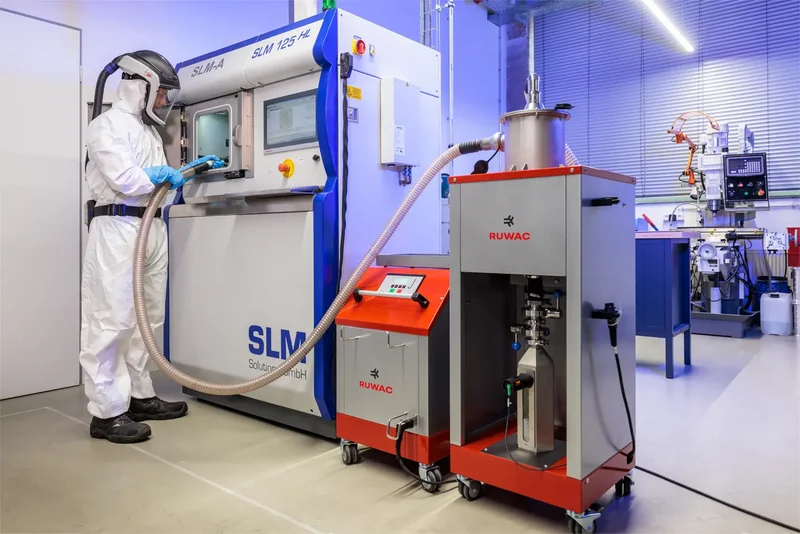
Industries where powder recovery is critical
Powder recovery is not a niche topic.
It affects many industries:
- Additive manufacturing – metal and plastic powders
- Chemicals – active ingredients, additives, catalysts
- Pharmaceuticals – active ingredients and excipients
- Battery technology – active materials
- Food – functional powders, additives
What they have in common is not the material itself, but the requirements for purity, traceability, and control.
Powder recovery is material handling
Powder recovery does not end in the collection container.
It only ends when the material is back under control in the process—or is intentionally removed. Everything in between determines cost-effectiveness, process stability, quality, and safety.