


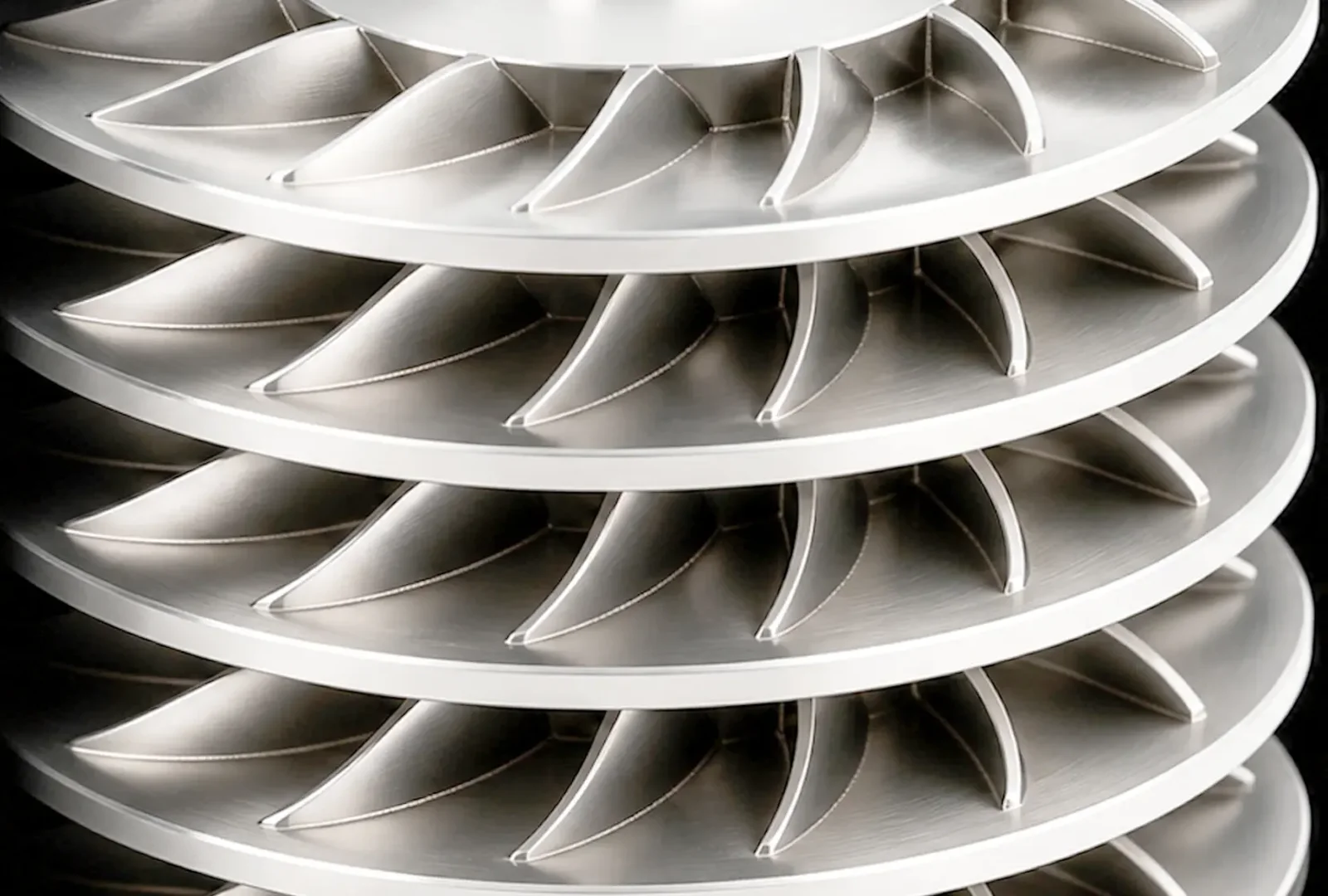
Understanding the basics
The RUWAC blower.
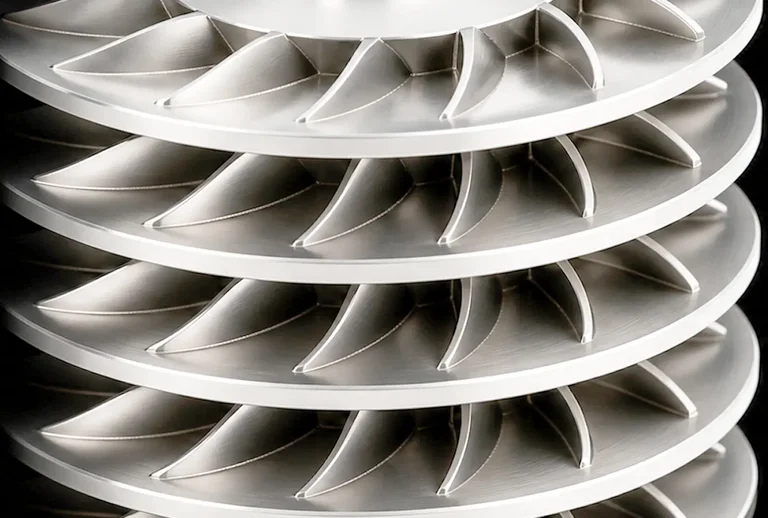
Fans determine how stable suction performance remains during operation. Many systems rely on standardized compressor solutions. RUWAC takes a different approach: proprietary fan technology, tailored to the requirements of industrial extraction processes.
The difference isn’t found in the spec sheet, but in how the system handles load, temperature, tolerances, and real-world operating conditions.
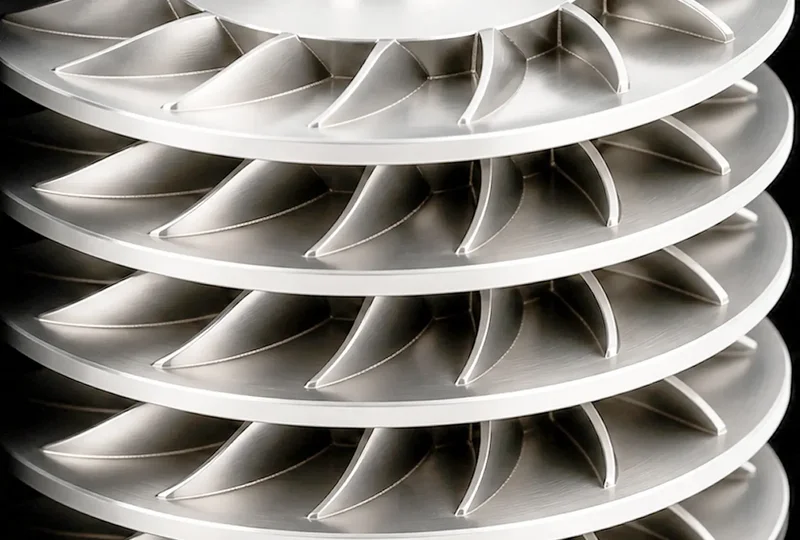
Why use your own fans?
Standard is often enough. But not for stable processes.
Most extraction systems use standard compressors. They are readily available, comparable, and easy to integrate. For many applications, this is sufficient.
RUWAC has deliberately chosen a different path.
Developing proprietary blower technology requires greater investment: development, manufacturing, assembly, and expertise. It is not a shortcut, but a decision to maintain control over system performance. The rationale lies in operation: extraction systems do not operate under ideal conditions. Filters become clogged, airflow patterns change, and materials vary. In these situations, the blower determines whether performance remains stable—or fails.
In-house blowers make it possible to influence precisely this behavior: greater tolerance to disruptions, robust design for changing conditions, and a performance range that is not limited by standard components. This decision was made early on—not out of principle, but out of necessity. And it continues to have an impact today. In-house blowers are not a feature. They are the foundation for controllable suction performance.
Reliability in operation
Not every process goes perfectly. But the blower has to keep running regardless.
Exhaust systems do not operate under laboratory conditions. Filters become clogged, particles enter the airflow, and flow patterns change. In everyday use, conditions arise that deviate from ideal operation—and it is precisely under these conditions that a system’s stability is put to the test.
Many compressor solutions are sensitive to such deviations. Small changes in the system can lead to a drop in performance, the activation of protective mechanisms, or faster wear on components.
RUWAC blowers are designed differently.
They tolerate larger clearance dimensions, are less sensitive to particles in the airflow, and remain functional even under changing conditions. The system does not need to be kept in an ideal state at all times to operate reliably.
There is a clear reason for this robustness: extraction technology does not have to be perfect—but it must be manageable in operation. This does not mean that malfunctions do not matter. But they do not immediately lead to a drop in performance or system shutdown. The blower remains operational—even when operating conditions change.
What matters is not how a system functions under ideal conditions, but how stable it remains in everyday use.
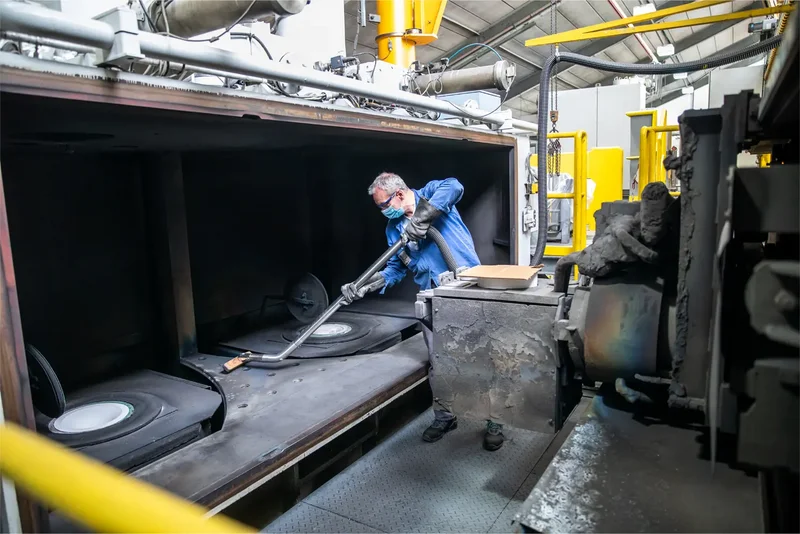

Why we deliberately choose not to go with the standard option
The standard is available. But it's not always enough.
For many applications, standard compressors are the obvious choice. They are readily available, comparable, and easy to integrate. This is precisely why most systems rely on standard solutions. RUWAC has deliberately chosen a different path. The reason lies not in the technology, but in the demands placed on system performance. Exhaust systems operate under changing conditions: filters become loaded, processes change, materials vary. Standard solutions are designed for defined operating conditions—not for this dynamic environment.
Developing proprietary blower technology requires more effort: development, manufacturing, and expertise. However, it enables the system’s behavior to be specifically influenced—rather than adapting to the limitations of available components. This decision creates independence from predetermined size variants, performance levels, and design principles. It allows solutions to be tailored to the application and process—not to what is available on the market.
This is not an end in itself. It is the foundation for not only providing suction power but also controlling it during operation. Standardization simplifies selection. In-house technology enables the better solution.
Power and size variant
Performance needs space. Or the right design.
In many extraction systems, performance increases with size variants. Greater performance means larger units, more space requirements, and more complex integration into existing processes. RUWAC takes a different approach.
Thanks to our proprietary blower design, we can achieve a wide range of performance levels in comparatively compact designs. What matters here is not just absolute performance, but the ratio of size variant to vacuum pressure and air volume.
This has a direct impact on operation: Compact systems can be deployed closer to the process, require less floor space, and integrate more easily into existing environments. This characteristic does not arise by chance. It is the result of design freedom—independent of standardized size variants and predetermined performance levels.
At the same time, compact design is not an end in itself. It must be designed in such a way that performance, cooling, and continuous operation remain reliably ensured. It is not size that determines performance, but rather how efficiently it is utilized within the available space.
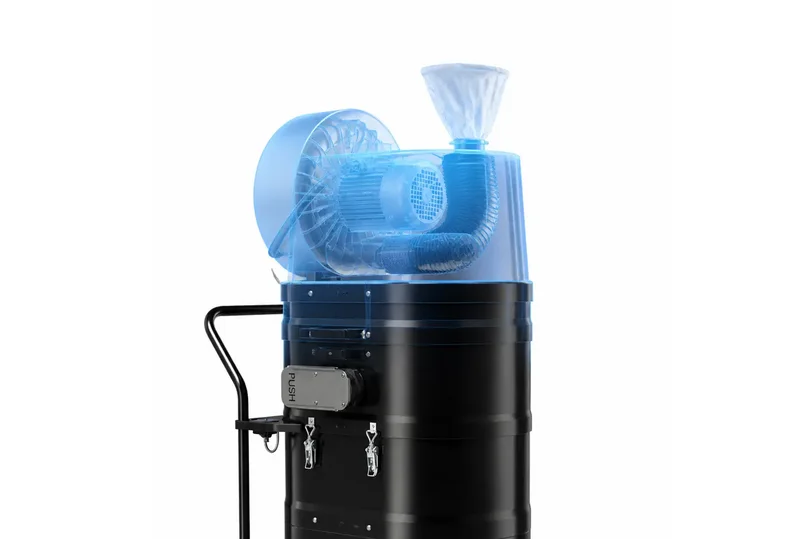
Conflicting Objectives in Fan Technology
Performance comes at a price. The question is: what price? Every blower technology has its own specific strengths—and, consequently, its own trade-offs. There is no single solution that is optimal in every respect. The key factor is which characteristics take priority in real-world operation. RUWAC deliberately prioritizes robustness and controllable performance in the process. This brings advantages—but also has design implications.
Practice & Applications
It is during operation that a blower’s true capabilities become apparent. Blower technology is not judged by its performance when new, but under load. Only during actual operation—with varying materials, increasing filter loading, and real-world process conditions—does it become clear whether a system remains stable or reaches its limits. The following examples illustrate typical situations in which different blower designs perform differently in everyday use.
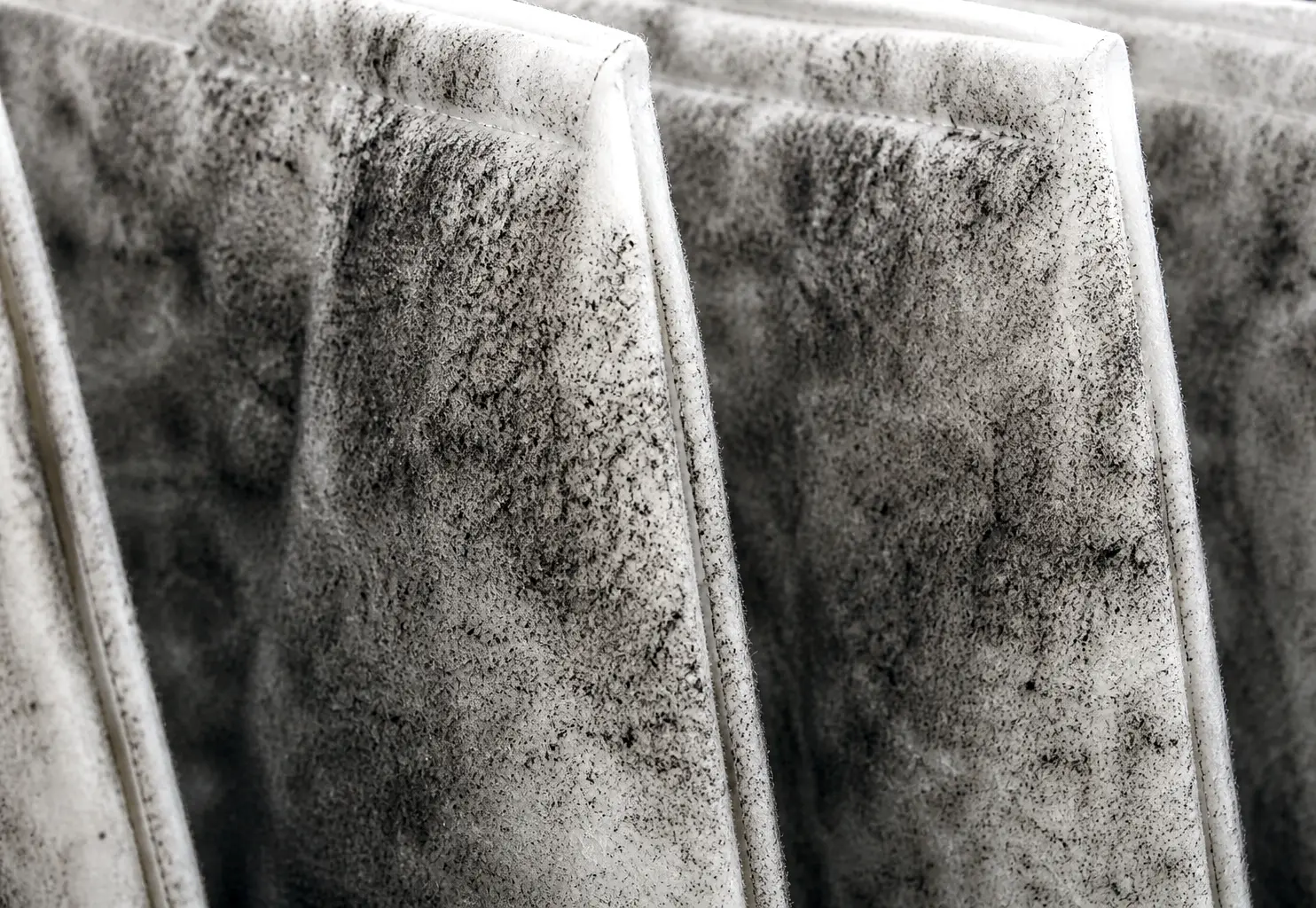
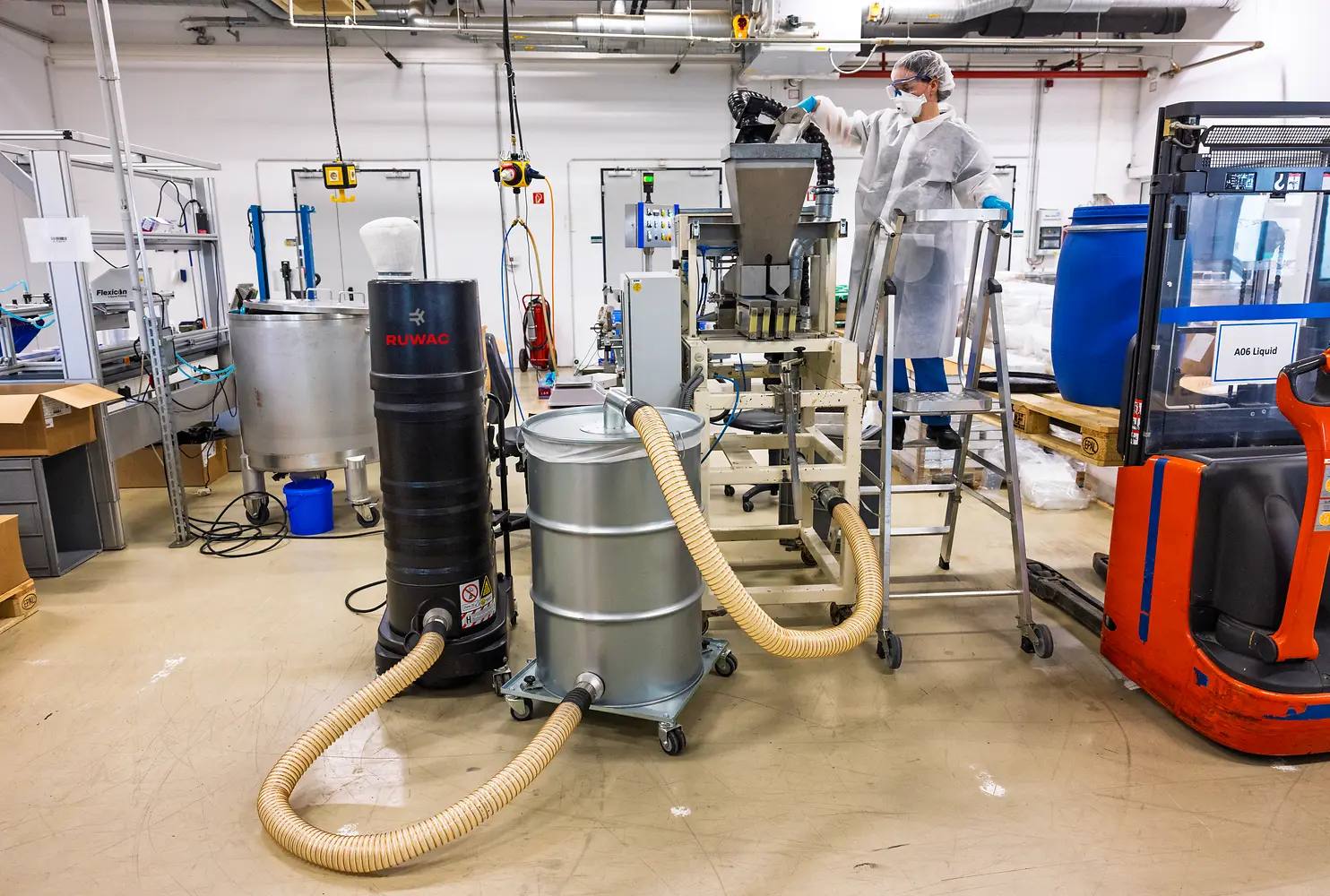
As the filter becomes clogged, resistance in the system increases. Many compressors are sensitive to this—the air flow rate decreases, and the system becomes less effective.
In practice, it has been shown that robust fans maintain stable performance for longer and better compensate for changes in the system. The exhaust system remains functional even when conditions change.
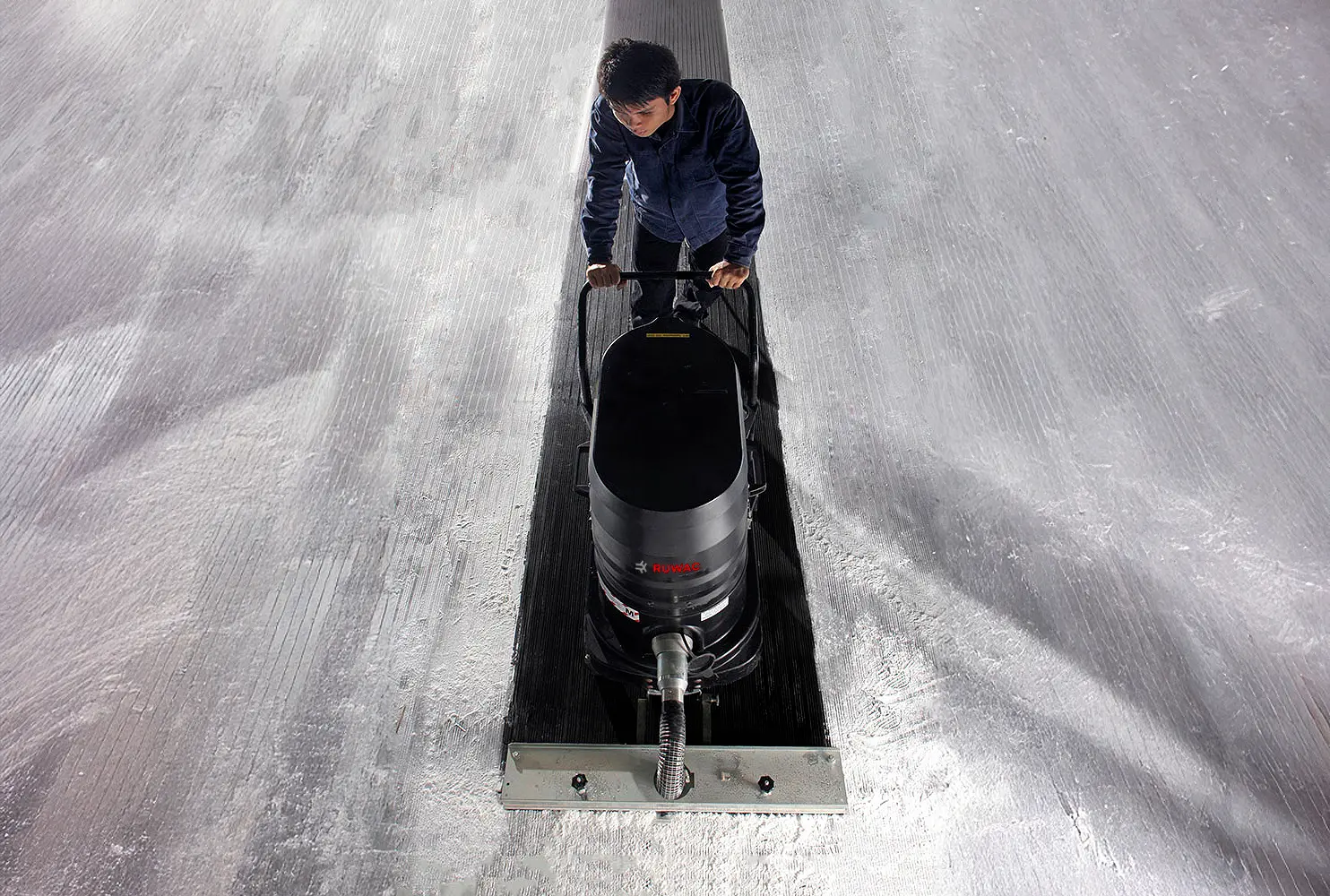
In real-world applications, particles do not always pass through the system in a controlled manner. Fine dust, residues, or temporary disruptions can put a strain on components.
Practical blowers are designed to tolerate such situations. They are less sensitive to deviations and ensure that the system continues to operate—rather than immediately reaching its limits.
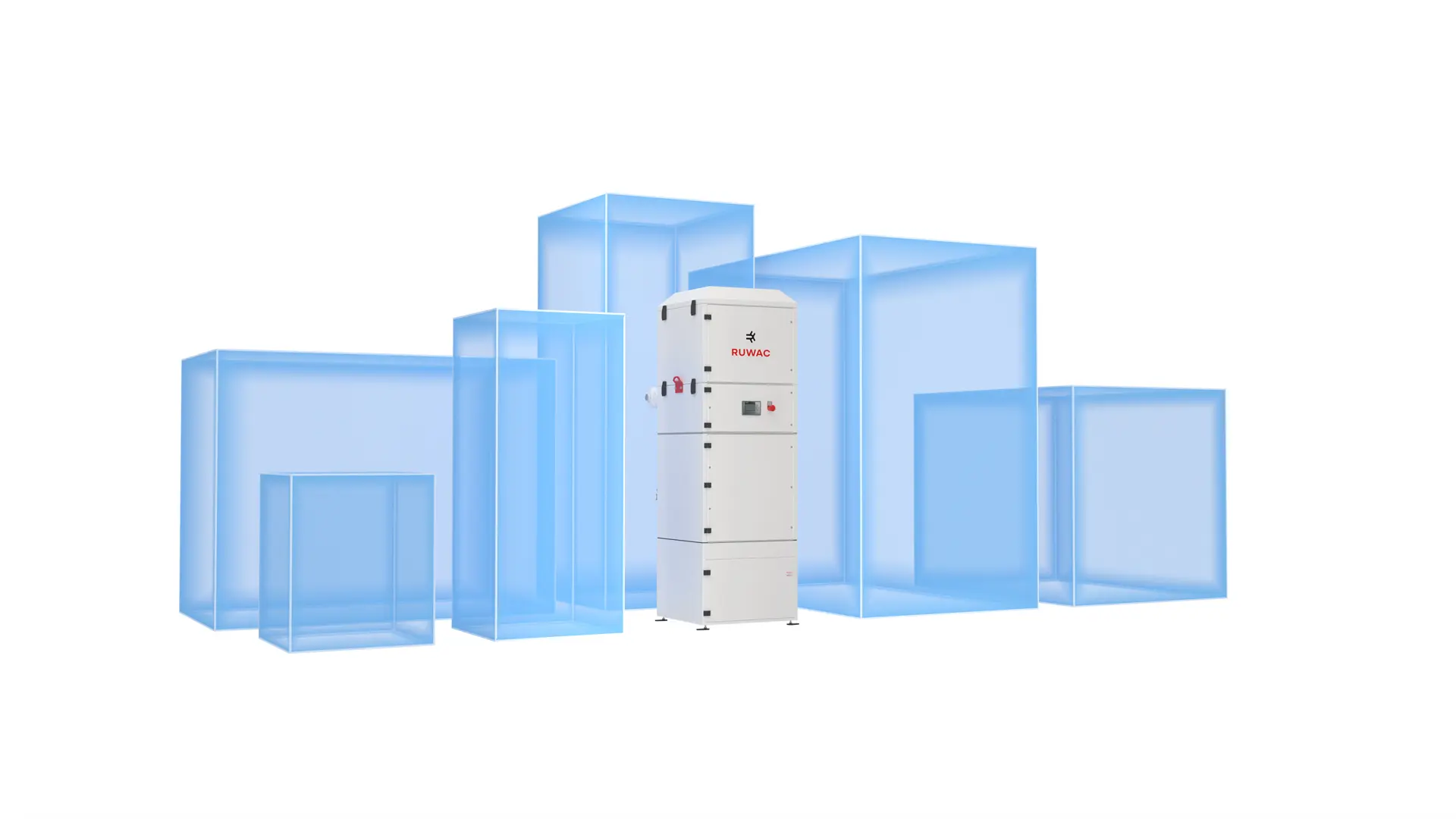
Space is limited in many production environments. Large units make integration difficult and increase the distance from the process.
Compact blower solutions allow for closer placement at the point of use. This reduces piping lengths and improves operational efficiency.
Production processes are rarely constant. Peak loads, material changes, or varying operating conditions place changing demands on the system.
In practice, a design that accommodates these changes has proven effective. Fans must not only function under ideal conditions but also remain stable over time—regardless of fluctuations in the process.
What matters
Evaluate fans properly. Don’t just compare them. Choosing a fan cannot be reduced to performance metrics alone. What matters most is how the system behaves in operation—under load, when conditions vary, and over time. In practice, four factors have proven to be decisive:
Evaluate fan technology together.
The choice of fan determines not only performance but also how the entire system behaves during operation.
The best solution depends on the process, material, load, and actual operating conditions. RUWAC helps you evaluate blower technology in the context of your application and develop solutions that not only stand out in comparison but also perform reliably in everyday use.
Häufig gestellte Fragen. (FAQ)
Eigene Gebläsetechnologie erfordert Entwicklung, Fertigung und spezifisches Know-how. Standardlösungen sind einfacher verfügbar und schneller integrierbar – bieten jedoch weniger Einfluss auf das Systemverhalten im Betrieb.
In stabilen Anwendungen mit konstanten Bedingungen können Standardlösungen gut funktionieren. Sobald Prozesse variieren, hohe Belastungen auftreten oder Robustheit gefragt ist, stoßen sie schneller an Grenzen.
Typische Anzeichen sind instabile Leistung, häufige Störungen oder ein System, das nur unter idealen Bedingungen zuverlässig arbeitet. Dann stimmt meist nicht das Zusammenspiel von Gebläse und Prozess.
Nein. Entscheidend ist die Anwendung. Eigene Gebläsetechnologie bietet Vorteile bei anspruchsvollen oder variablen Prozessen – ist aber nicht in jedem Szenario zwingend notwendig.
Das Gebläse bestimmt, wie Luft im System bewegt wird – und damit, wie stabil Saugleistung im Betrieb bleibt. Es ist kein isoliertes Bauteil, sondern zentraler Bestandteil des gesamten Prozesses.