


Thinking in terms of processes
Secondary emissions
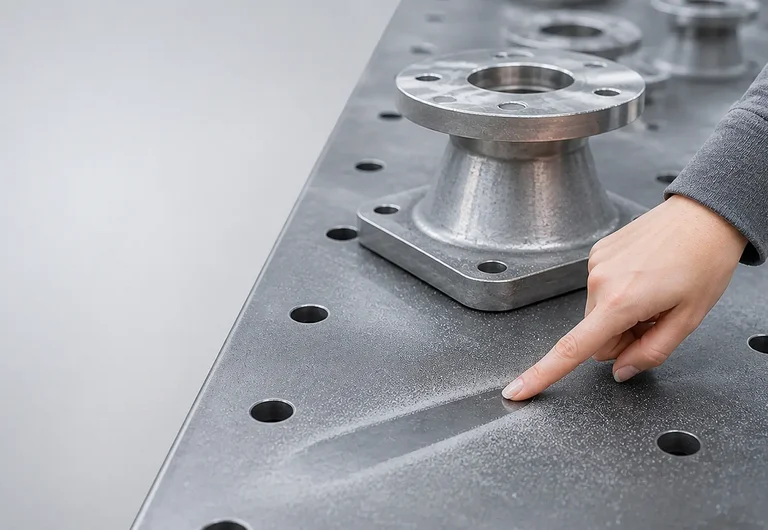
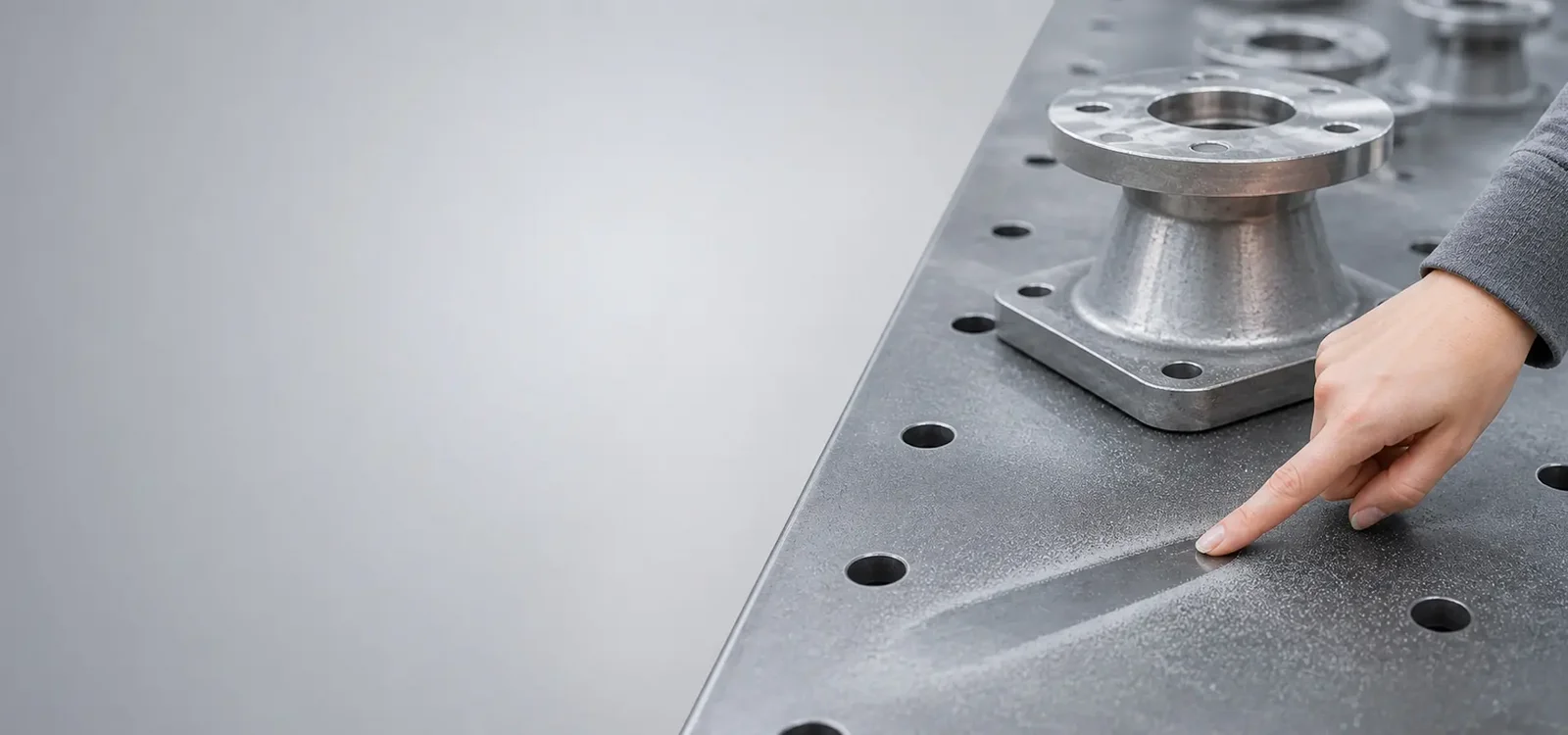
Secondary emissions do not occur during the actual processing itself, but afterward. They arise when deposited substances are released again—for example, through cleaning, maintenance, air movement, or the restarting of equipment. Precisely because they are not part of the “main process,” they are often overlooked. Yet they are frequently finer, more homogeneous, and more critical than the original emissions. Those who consider risks only at the point of origin overlook their secondary effects.
What are secondary emissions?
Secondary emissions are releases of substances that are not caused directly by the process itself, but by subsequent events.
Typical triggers:
- Cleaning (dry, compressed air, manual)
- Maintenance and servicing
- Restart after a shutdown
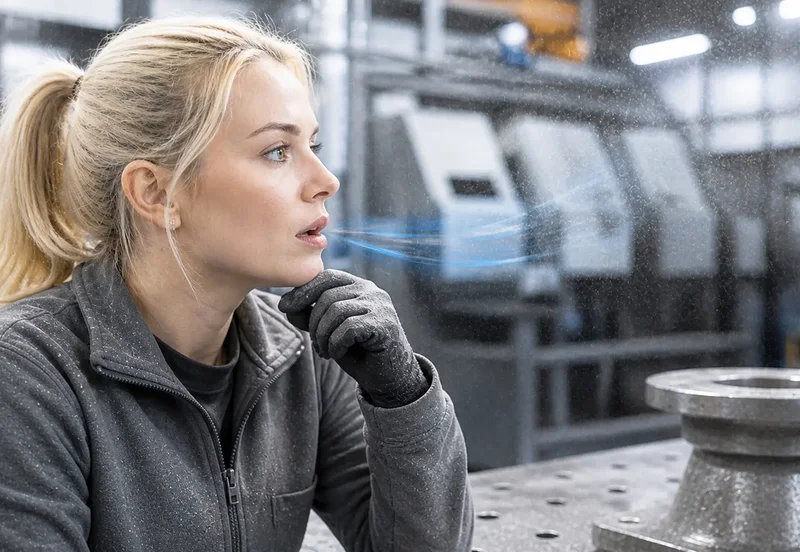
- Air turbulence caused by machinery or people
- Material changes and changeovers
Important: The substances were already present—they are being mobilized again.
Why secondary emissions can be more critical than primary emissions
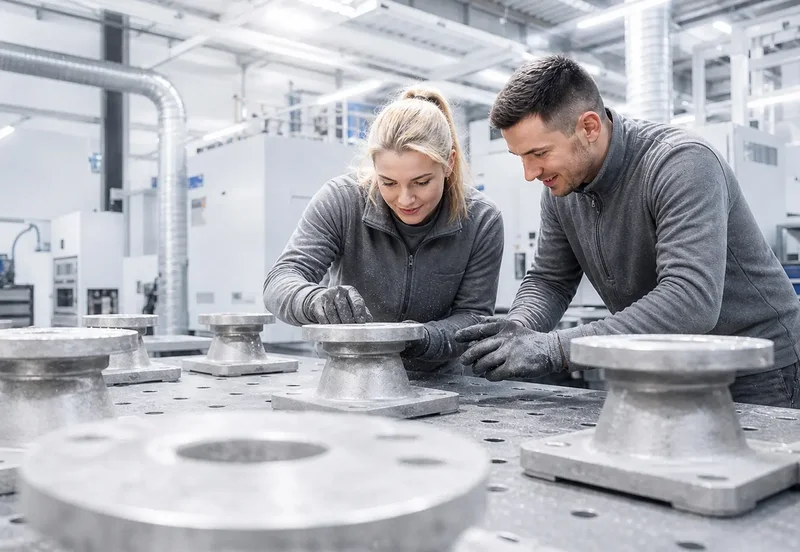
What settles changes.
- Particles become finer
- Mixtures become more homogeneous
- Flammability may increase
- Inhalability increases
- Traceability is lost
Secondary emissions often occur outside the actual process area—where protective measures are less effective.
Typical real-world scenarios
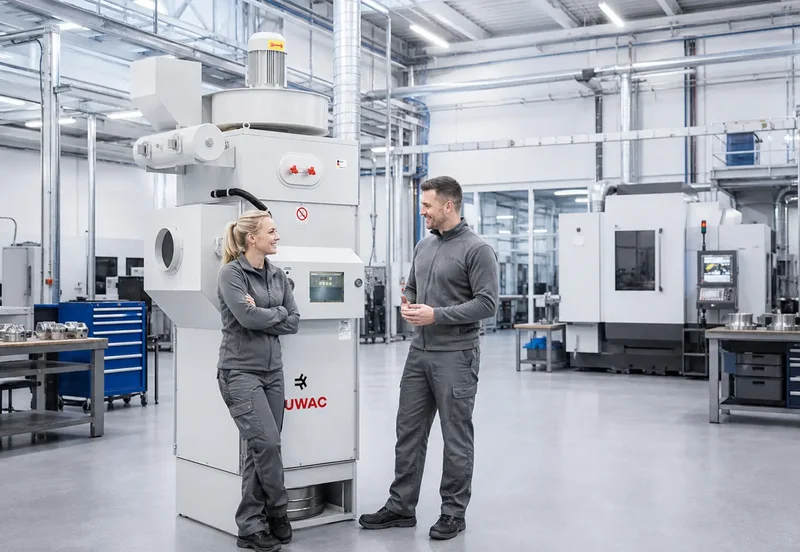
Secondary emissions as a common risk
Secondary emissions are not a hazard category in their own right, but rather an aggravating factor:
- They increase the risk of dust explosions
- They increase exposure to hazardous dusts
- They disrupt clean material handling
- They destabilize multi-material systems
Where secondary emissions are often overlooked
The focus is on the process—not on what happens in between. Cleaning is considered a “downstream” activity, downtime is deemed “risk-free,” and maintenance is treated as a separate organizational function or involves shifting responsibilities. Secondary emissions occur precisely during these transitions.