


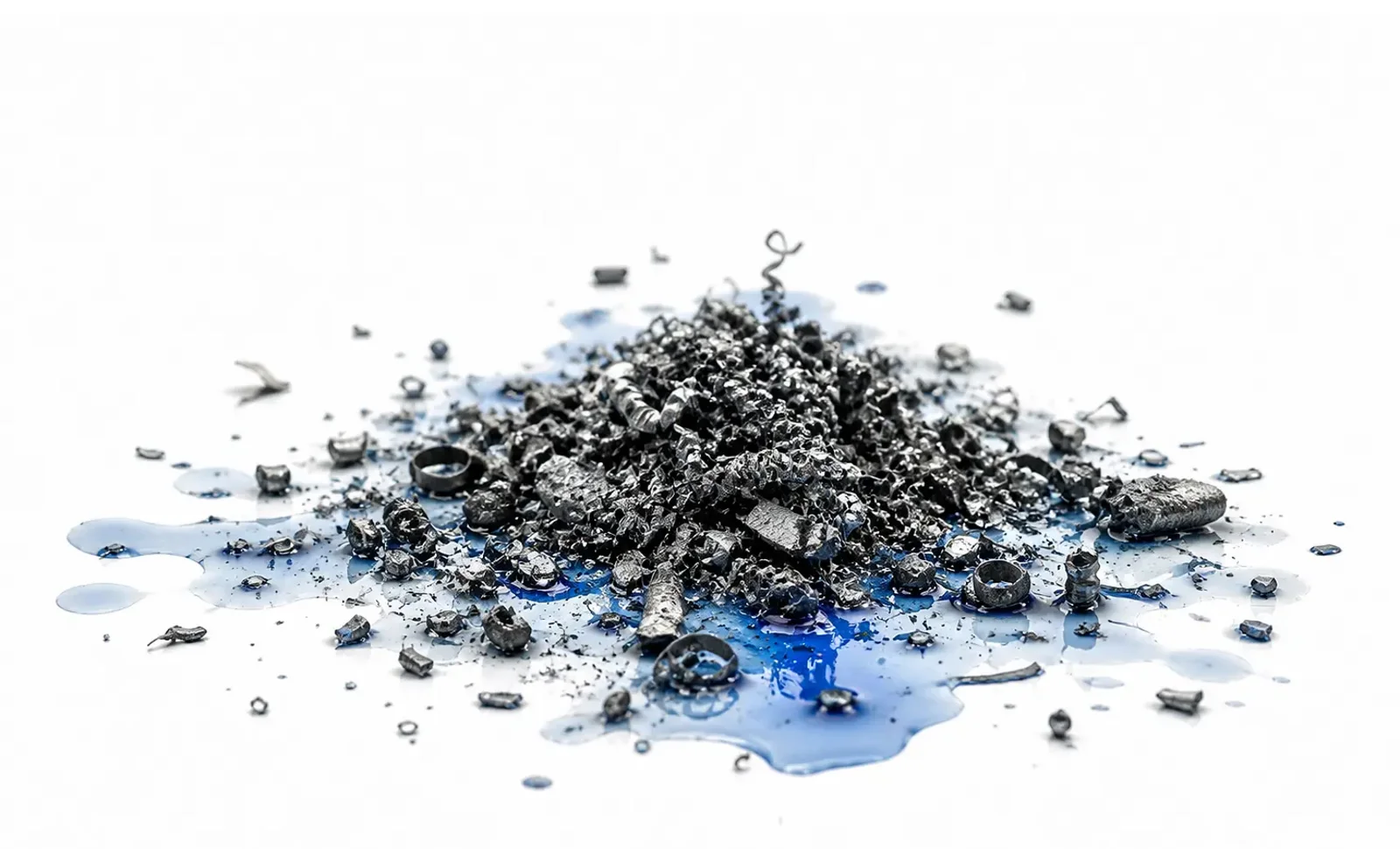
Chips, Media & Multi-material Systems
Multi-fuel systems
In everyday industrial operations, chips, media, and residues typically occur as mixtures of substances. Solids are wetted, liquids are contaminated, and materials change their state. What matters is not the individual medium, but the controlled handling of the mixture. Extraction and cleaning technology must reliably capture, separate, and recycle these multi-component systems—without disrupting the process. Failure to separate leads to downtime, wear, and loss of valuable materials. RUWAC considers chips and media in the context of material, process, and application—for stable operations under real-world conditions.
Chips, media, and residues are rarely unambiguous.
Many problems in multi-component systems arise not from a lack of technology, but from oversimplified assumptions made in everyday practice.
Multi-component systems do not allow for simplification.
Effective solutions must acknowledge that chips, liquids, and residues do not occur in a neatly separated state during actual operation. Solids are wetted, media are contaminated, and conditions change during the process. Technology designed for a single medium is bound to fail in this context.
Controlled collection and separation within the flow are crucial. Chips must be reliably collected without carrying away media. Liquids must be recirculated without losing solids. Neither process should slow down the operation nor make it unstable.
At the same time, mechanical and thermal stresses increase. Abrasive chips, high temperatures, or varying viscosities require robust designs, low-wear components, and a configuration that does not treat continuous load as an exception.
Equally important is practicality. Multi-fluid systems arise where people work, machines are cleaned, and processes do not run ideally. Solutions must remain operable, guide drainage and maintenance clearly, and limit the consequences of errors—even when operations are under time pressure.
Safe multi-fluid solutions are not created by additional technology, but by systems that understand, separate, and make material flows manageable.
Multi-fuel systems are not an exception. They are the norm.
Multi-fluid systems are not limited to specific applications. They are found wherever materials are processed, cooled, cleaned, or recycled—often simultaneously and during ongoing production.
- In metalworking, chips regularly come into contact with cooling lubricants. During machining, deburring, or cleaning, solids must be reliably collected and media separated and recycled to prevent wear, downtime, and losses.
- In the automotive and supplier industries, materials, processing methods, and media change frequently. Hybrid components, different alloys, and varying cooling lubricants create complex mixtures of substances that must be managed—not only for efficiency but also for safety reasons.
- In the foundry and heavy industries, residues from thermal processes are produced that are mixed with oils, greases, or binders. Here, reliable separation determines whether processes remain stable or whether cleaning efforts and equipment strain increase.
- In the energy and mechanical engineering industries, too, wet chips, sludge, and residues are generated that should not be disposed of, but rather treated in a controlled manner and, in some cases, reused.
Regardless of the industry, the following applies:
Where media come together, technology must be able to separate them—close to the process, reliably, and without interrupting operations.
Practice born of necessity.
In everyday industrial operations, chips, liquids, and residues rarely occur in isolation. They are generated simultaneously, change their state during the process, and pose specific challenges for cleaning, disposal, and recycling. The following examples illustrate typical application scenarios in which multi-component systems must be managed—not in theory, but in actual operation.
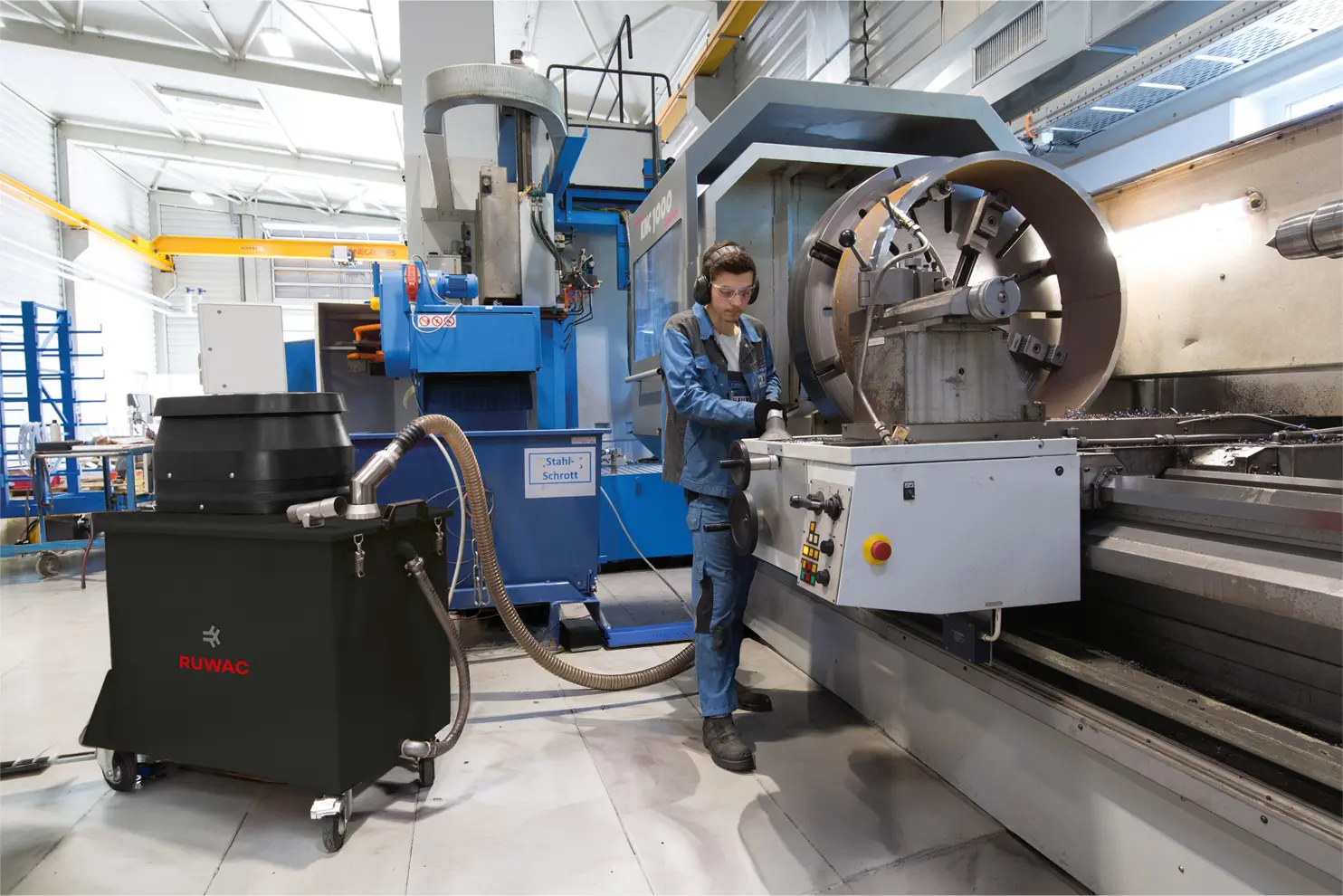
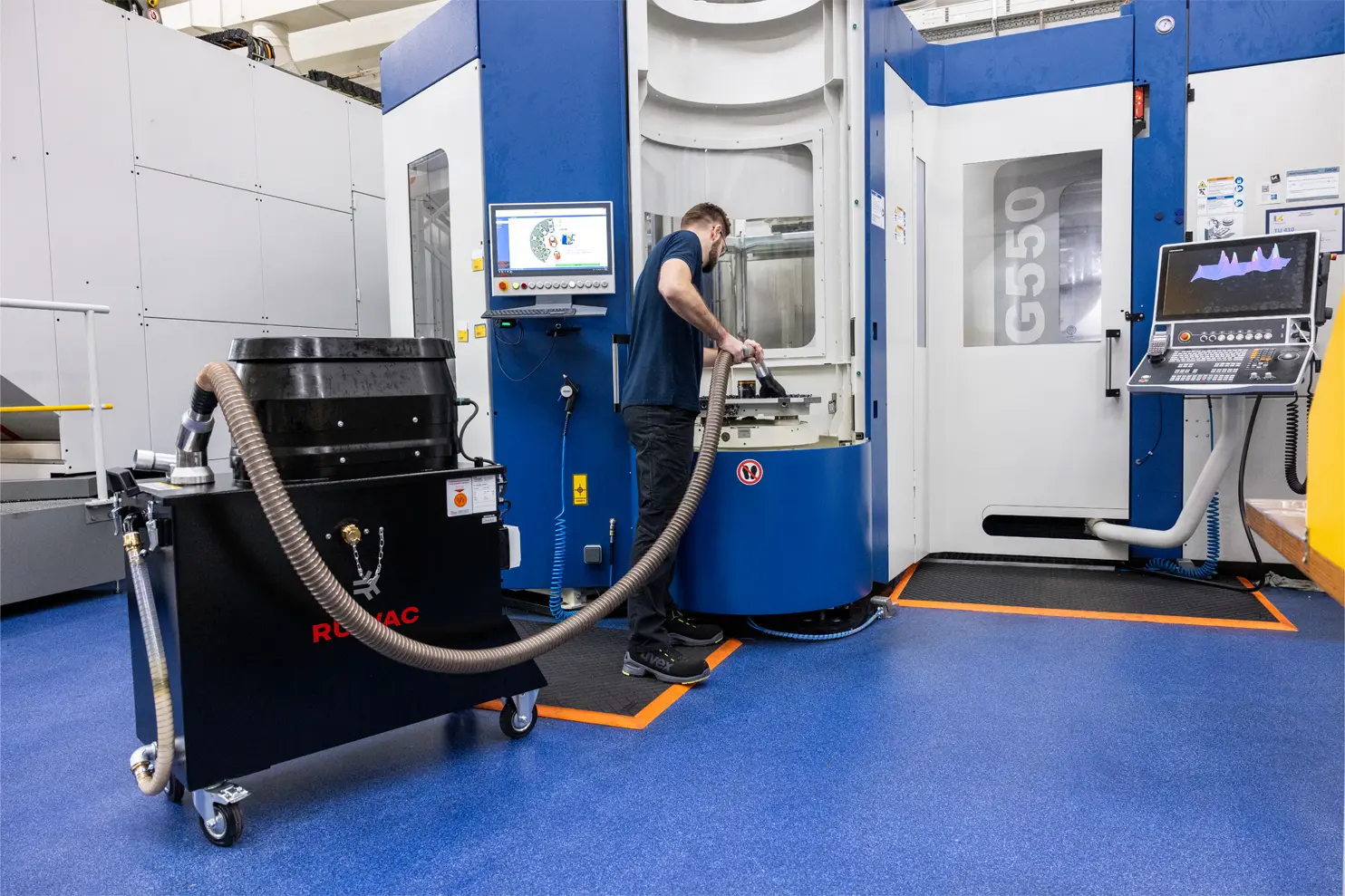
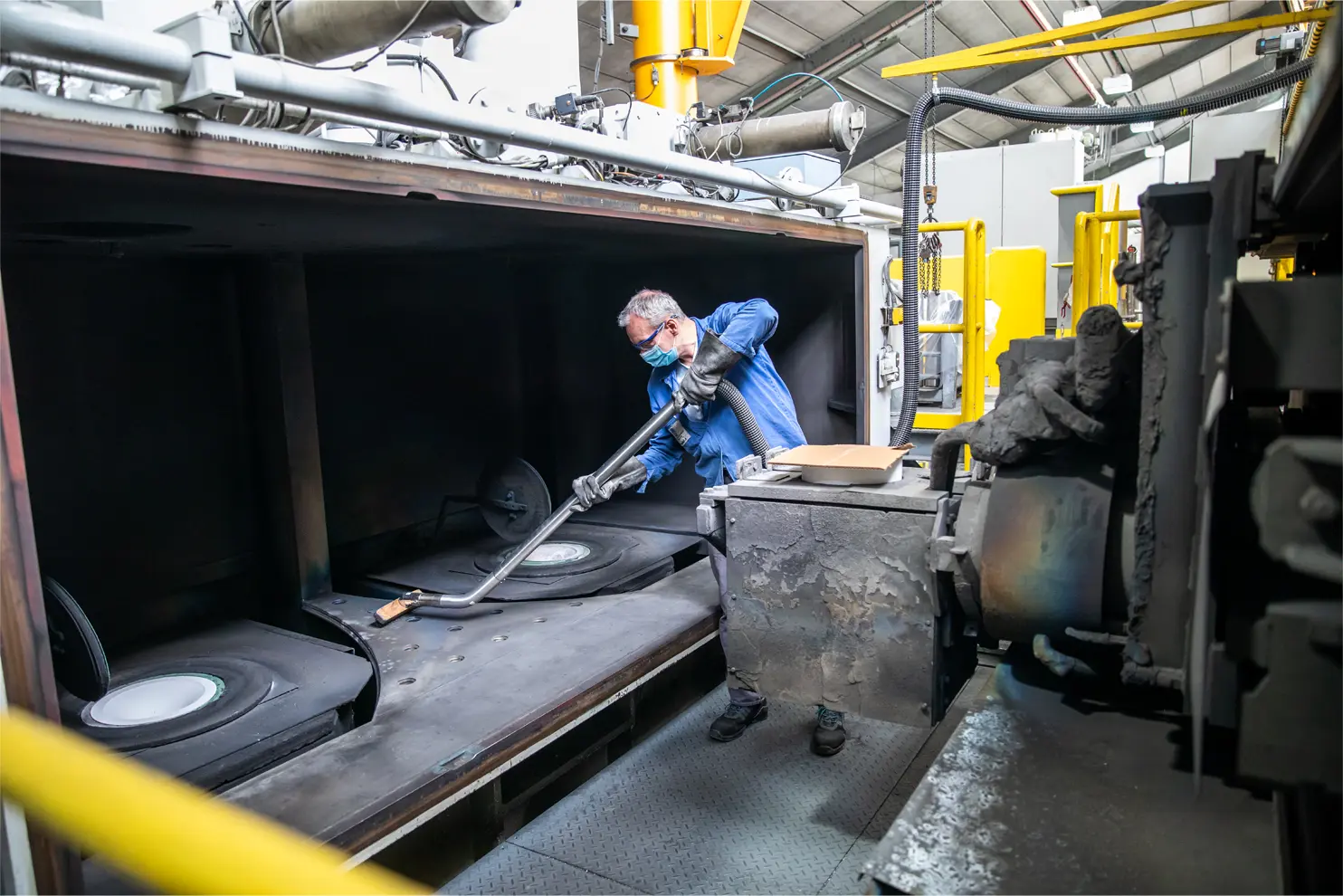
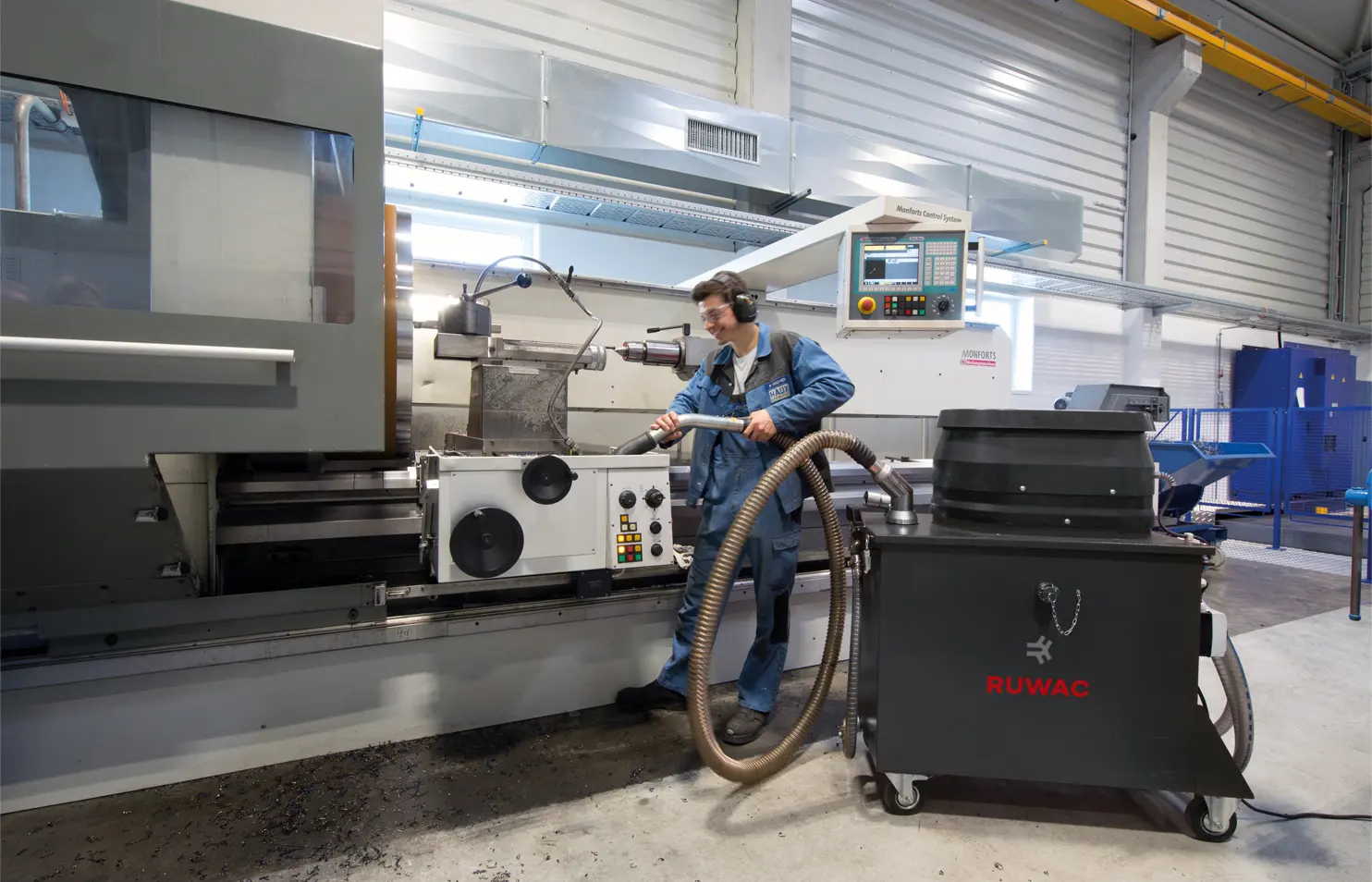
Turning, milling, and drilling produce metal chips that are coated with cooling lubricants. To ensure stable operation, chips must be reliably collected and liquids must be separated and recirculated. It is essential to use extraction and separation technology that can handle high levels of solids without clogging filters or losing media. This keeps machines operational and ensures that resources remain usable.
After each machining operation, machine rooms must be cleared of chips, sludge, and debris. In the process, dry particles come into contact with liquids and oil-containing media. Practical solutions enable quick cleaning directly at the machine, without time-consuming disassembly or downtime—even when machining tasks change frequently.
Foundries and metal forming processes generate residues consisting of solids, binders, and process media. These mixtures must be collected safely without allowing the media to mix uncontrollably or settle. The goal is a clean separation that simplifies disposal while protecting plant components.
During maintenance work, it is often impossible to predict what types of materials will be generated: chips, liquids, dust, or mixtures of these. Extraction systems must be flexible, capable of safely collecting different materials, and able to ensure clear separation. This is the only way to carry out work efficiently without creating new risks.
Product concepts for safe processes.
In everyday industrial operations, chips, media, and residues usually occur together. Solids become wetted, liquids become contaminated, and substances change their state during the process. What matters is not the individual medium, but the controlled handling of the mixture of substances. Extraction and cleaning technology must capture, separate, and recirculate—without disrupting the process. The following product concepts illustrate typical solutions for multi-substance systems—depending on the process and the risk.
Frequently Asked Questions.
Because chips, liquids, and residues rarely occur separately during the process. Wet chips, contaminated media, or changing states of matter require technology that can collect, separate, and safely handle them—without interrupting the process.
Generally speaking, no. Whenever solids and liquids are present together, defined separation stages, appropriate filtration systems, and robust disposal solutions are required. Otherwise, there is a risk of blockages, loss of performance, or unplanned downtime.
Yes—provided they are properly separated and routed. Appropriate systems allow for the removal of chips and particles, enabling media to be recycled or reprocessed. This reduces costs and improves process stability.
Inadequate separation leads to increased wear, more frequent maintenance intervals, and unstable processes. The situation becomes particularly critical when chips accumulate in pumps, filters, or piping.
Whenever media, materials, or quantities vary. Multi-component systems rarely have a one-size-fits-all solution. What matters most are material properties, the point of origin, and process integration—not the equipment alone.
Evaluate chips and media together
Chips, liquids, and residues cannot be considered in isolation. The most appropriate solution depends on the material, the process step, and actual operating conditions. RUWAC helps you properly classify multi-component systems and develop practical concepts—integrated into your processes and tailored to your specific needs.